The shift nobody talks about clearly
When your relationship status changes, your nervous system knows before your brain does. Whether you're moving from solo to partnered, partnered back to solo, or navigating a major relationship restructuring, the sensations that used to work stop working the same way. It's not that your body broke. It's that your body was calibrated for a different context, and context matters wildly more than most people admit.
I see this constantly in my practice. Someone will say, "I know exactly how to come alone, but the second my partner is involved, everything changes." Or the reverse: "We broke up and now I don't know how to pleasure myself the way I used to." Both are real. Both are completely normal. And both respond beautifully to the right approach.
Why partner transitions rewire your pleasure
Three things happen physiologically when your relationship status shifts:
The nervous system recalibrates. When you're solo, your body is in control of pacing, pressure, and timing. When a partner enters the picture, you're negotiating stimulation with another person's rhythm. Your parasympathetic nervous system (the one that lets you relax and feel) has to work differently. The arousal pathway that took five minutes alone might take fifteen with someone else because your brain is processing their presence, your anxiety about their judgment, their pleasure, the room temperature, whether the door locked. Your nervous system is doing extra work.
Sensation thresholds shift. Alone, you might use pattern five on a lemon vibrator at full intensity. With a partner watching or touching you, that same intensity can feel jarring or overstimulating. Your proprioception (your sense of where your body is in space) changes. Suddenly you're aware of how you look, how your vulva looks, whether your sounds are too loud. All of this dulls sensation slightly, which is why many people need more intensity with a partner, or paradoxically, less.
Arousal timing desynchronizes. You and your partner are almost never on the same arousal curve. They might peak in ten minutes while you're still warming up. Using a lemon vibrator solo meant you controlled your own timeline. With a partner, you're managing someone else's expectations alongside your own physiology. This creates a low-level stress response that can numb sensation or make it feel unreachable.
The good news: none of this means something is wrong with you. It means your body is responding normally to a complex social and physical context shift.
How lemon clitoral vibrators help during transitions
Unlike traditional vibrators that rely on penetrative rhythm or broad surface vibration, lemon suction toys like those from Shop Lemon Massager use targeted air-pulse technology. This is particularly useful during relationship transitions for one specific reason: they give you back autonomy over intensity and pacing even when a partner is present.
Here's what I mean. If you're using a traditional vibrator with a partner and you need to adjust intensity, you have to communicate it, which breaks the moment and introduces self-consciousness. With a lemon vibrator, you control the suction level directly. Your partner doesn't feel the vibration; they feel you responding. This subtle difference restores a sense of agency that transitions often steal.
Second, lemon vibrators are fast. The suction technology reaches activation much quicker than traditional toys, which helps if you're moving from solo play (where you could take thirty minutes) to partnered play (where you might have fifteen). The speed also helps if you're re-learning your body after a long partnership ends and you're back to solo play. You get results faster, which builds confidence.
Third, the sensation is localized. When you're transitioning between contexts, the brain gets overwhelmed by too much input. Broad-surface vibration adds sensory noise. Lemon clitoral vibrators focus stimulation on the external clitoris in a clean, concentrated way. Your nervous system can process that more easily, especially if you're managing anxiety about the transition itself.
Practical adjustments for solo to partnered transitions
If you're moving from solo play into a partnered dynamic, three things shift:
Start with the lemon vibrator in solo sessions with your partner present, not directly involved. Let them sit nearby while you use it alone. This sounds awkward, but it's not. It means your nervous system gets used to their presence while you're still in control. After two or three sessions, you'll notice the weird self-consciousness fades. Your body stops treating their presence as a threat.
Communicate about patterns, not feeling. Instead of "I need more time to warm up," try "Can we start with me using the vibrator alone for five minutes while you touch me elsewhere?" Specific requests about what happens are less vulnerable than explaining why you need it. Your partner doesn't need to understand the neuroscience. They just need to know the sequence.
Use the vibrator as a buffer during penetration. Many people find that combining a lemon vibrator with penetration (whether fingers or a penis) helps sensation feel less scattered. The vibrator is focused on the clitoral area while something else is happening internally. This lets your nervous system separate the two sensations instead of blending them into something confusing.
Practical adjustments for partnered to solo transitions
If you've been in a long partnership and suddenly you're back to solo play, your body has been calibrated for partnership. Here's what helps:
Expect that solo sensation will feel different, not worse. The absence of another body, another presence, another set of hands, means your nervous system is less activated overall. You might feel "numb" compared to partnered sex. That's not numbness. That's just the baseline shift. A lemon vibrator can help you recalibrate faster because the suction sensation is strong enough to cut through the adjustment period.
Give yourself permission to take longer. If sex with a partner was faster (because you were trying to sync up), solo play doesn't have that deadline. Use that. A twenty or thirty minute solo session with a lemon vibrator is not excessive. It's your nervous system learning to self-soothe again without the presence of another person.
Rebuild the mental component. Solo pleasure involves more fantasy, more mental storytelling, more of your own narration. That might feel foreign if you've been in a long partnership. Instead of fighting that, lean into it. Your brain is part of the pleasure pathway. Let it have room.
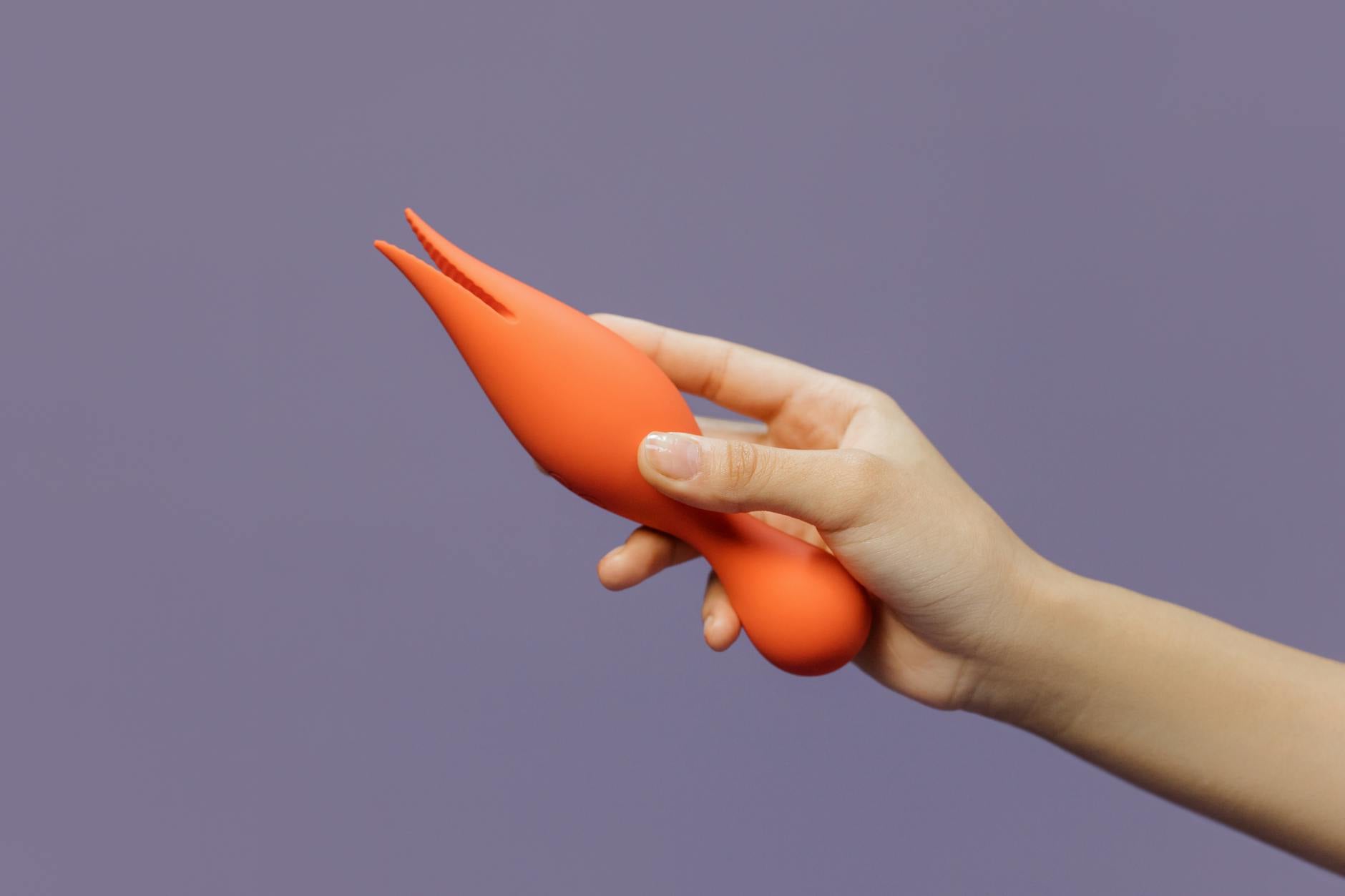
Photo by cottonbro studio on Pexels
When transitions trigger comparison
One of the hardest things about relationship transitions is comparison. You remember what sensation used to feel like, and if the current context doesn't match it, you assume something is broken. It isn't.
With a new partner, you're building new neural pathways for arousal. That takes repetition. Lemon clitoral vibrators help because they give you consistent, reliable sensation while you're also navigating the new relationship's emotional and physical unfamiliarity. The vibrator becomes a constant while everything else is changing.
With solo play after a long partnership, you're retraining your nervous system to self-generate arousal without external presence. That also takes time. The specificity of a lemon vibrator's sensation helps your body remember what it feels like to respond intensely, which builds back your confidence faster than vague sensation would.
The emotional layer most therapists skip
Sensation shifts during partner transitions aren't purely physiological. They're emotional too. If you left a partnership because the sex wasn't working, returning to solo play might bring up grief or relief or anger. If you're entering a new partnership, you might feel vulnerable, performative, or scared your body won't respond the way it "should."
Here's what I tell my clients: the lemon vibrator isn't a fix for the emotional stuff. But it's a tool that keeps your body feeling trustworthy while you're processing the emotional stuff. When you can reliably reach pleasure, orgasm, or sensation independently, it's easier to also do the relational and emotional work. The two aren't separate.
You might benefit from talking with a therapist about the relationship transition itself. That's real work. But while you're doing that work, your body also deserves to feel good, to function, to respond. A lemon clitoral vibrator helps with that part.
Common questions about transitions and sensation
Does sensation always come back the same after a relationship ends? Not exactly the same, but it does come back, and often stronger. Your nervous system learns. After the first few months of solo play following a partnership, most people report more intense sensation, faster arousal, and more reliable orgasms than they had in the partnership. You're not competing with someone else's pace anymore.
What if I feel numb or disconnected during a transition? That's a stress response. Your nervous system is in slight dysregulation. A lemon vibrator can help because strong, focused sensation pulls you back into your body. If numbness persists beyond a few weeks, talk to your GP or a therapist. It might be depression, hormonal, or something that needs professional support.
Can I use a lemon vibrator differently as a solo person versus with a partner? Absolutely. Solo, you might use higher intensities and longer sessions. With a partner, you might use it for shorter bursts, or just the first few minutes of foreplay. The tool adapts to context. That's part of why it works so well during transitions. It's flexible.
Do most people need more time to come during transitions? Yes, usually. Moving from solo to partnered often adds time because you're managing someone else's presence. Moving from partnered to solo sometimes adds time initially because your nervous system isn't as activated. Both normalize after three to six months of consistent play.
Is it normal to want the vibrator more during transitions? Completely normal. Your body is seeking reliable sensation during an uncertain time. That's not dependency. That's you being smart about managing your own pleasure and stress during a major life shift.
What if my new partner feels threatened by the vibrator? How to Use a Lemon Vibrator When Your Partner Refuses to Accept Sex Toys addresses this directly. The short version: education helps. Many partners feel threatened because they think vibrators mean their partner doesn't want them. That's rarely true. The vibrator is a tool for your nervous system, not a replacement for them.
The transition is temporary, the pleasure is permanent
Partner transitions feel permanent while you're in them. Your body feels unfamiliar. Your sensation patterns are off. You're not sure if you're broken or just adjusting. You're adjusting. Every transition has a recalibration period, and lemon vibrators help you navigate it by giving your body something it understands: reliable, focused, intense clitoral stimulation that works solo or partnered.
Your pleasure doesn't vanish during transitions. It just gets rewired. With patience and the right tools, it often comes back better.