Here's what nobody tells you about speed
One of you climaxes in four minutes. The other needs eighteen. Neither of you is broken. Neither of you is "too slow" or "too fast." You're just built differently, and the cultural narrative around synchronized orgasms has convinced you this is a problem it absolutely is not.
Except it kind of feels like a problem when one partner finishes and the other is left hanging in the middle of the arousal curve with nowhere to go. The faster partner feels guilty. The slower partner feels frustrated or pressured. Both of you retreat into performance mode instead of pleasure mode. And that's when sex stops being fun.
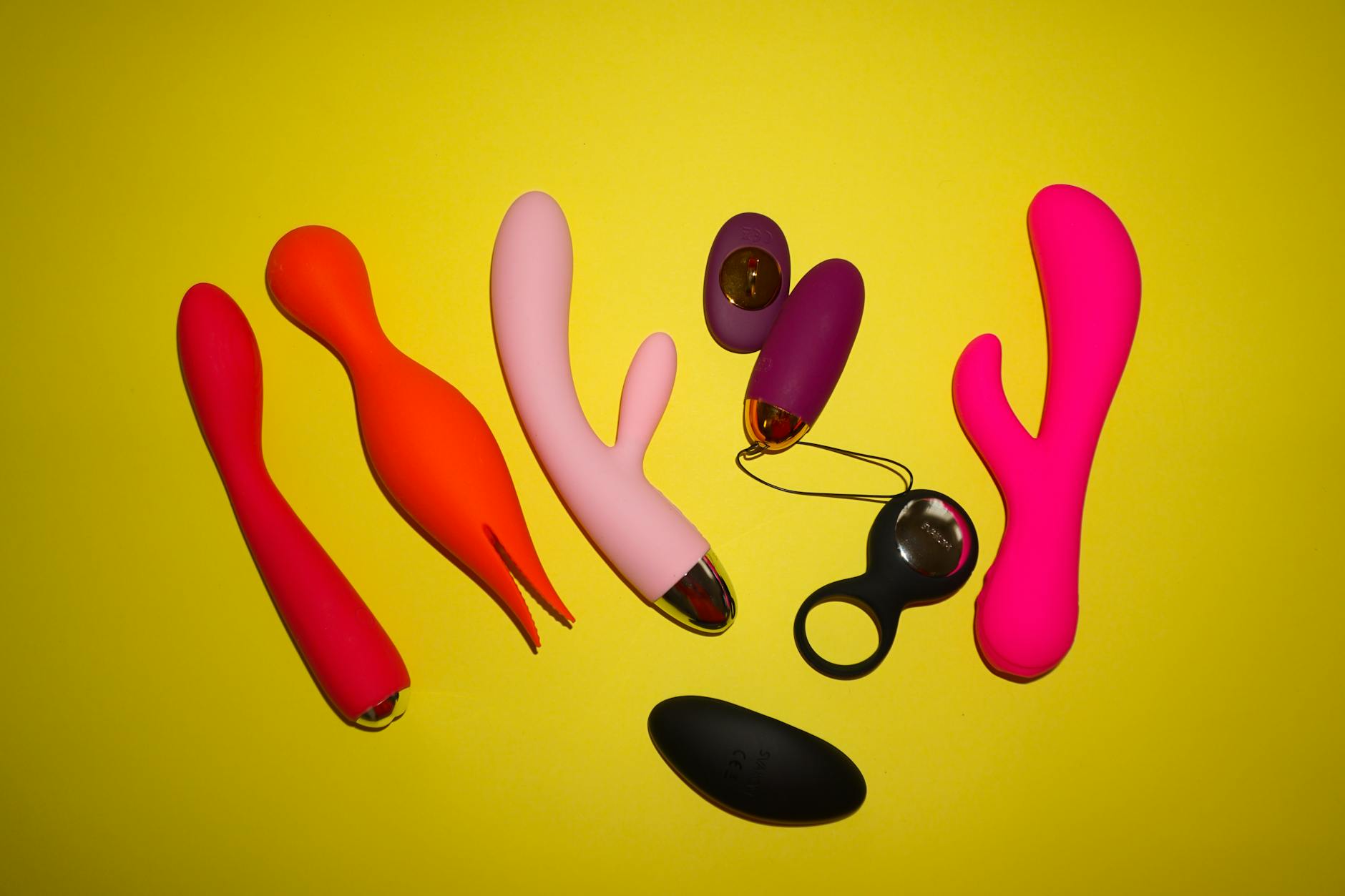
Lemon vibrators, specifically lemon clitoral vibrators, are one of the cleanest solutions to this mismatch because they let both of you reach the finish line without turning the experience into a weird negotiation about whose body is "right."
Why the mismatch happens in the first place
Orgasm timing is shaped by neural wiring, hormone levels, psychological arousal, physical sensation thresholds, and whether you feel genuinely safe with your partner. That's a lot of variables. Most people with vulvas need direct clitoral stimulation to reach orgasm, but the type of stimulation, the duration, the intensity, and the mental headspace all matter wildly.
Most people with penises can orgasm through penetration alone, but speed varies. Stress, anxiety, age, medication, relationship dynamics, and just how their nervous system is calibrated all play a role. The research is clear: there is no "normal" orgasm timeline. There is only your timeline and your partner's timeline.
Here's the kicker: when one partner feels pressure to rush, orgasm often becomes harder. When the other feels dragged or impatient, arousal stalls. The speed mismatch becomes a self-fulfilling prophecy. Everyone tenses up. The whole thing falls apart.
What lemon clitoral vibrators actually solve
A lemon vibrator doesn't make you faster or slower. It removes the pressure dynamic entirely. Here's how:
They add direct clitoral stimulation that doesn't depend on your partner's timing. If you're the slower partner, you get consistent, targeted sensation that your partner's hands or body might not reliably deliver. You're not waiting for the right touch. You're getting it.
They let the faster partner stay engaged without checking out. Instead of finishing alone and awkwardly waiting, they can focus on you. They're present. They're invested. They're part of the experience instead of sitting on the sidelines.
They neutralize the performance pressure. A lemon clitoral vibrator removes the implication that something is wrong with your body. It's not a workaround for a broken system. It's a tool. You're using technology, not compensation.
How to actually integrate a lemon vibrator without awkwardness
The first conversation doesn't need to be clinical. Start with what you're feeling, not what you want: "I've noticed we finish at really different times. I don't think either of us is doing anything wrong, but I end up feeling frustrated and I don't want that."
Then make it about pleasure, not performance. "I've been curious about trying a lemon clitoral vibrator. Want to explore that together?" This is wildly different from "You take too long" or "I finish too fast."
When you're ready to use it:
Start with foreplay. You're both building arousal. The vibrator isn't the main event. It's part of the landscape. Use it while you're kissing, while your partner is inside you, while you're touching each other. Let it be normal.
Let the slower partner control the rhythm. They set the intensity. They control when it turns on and off. This puts the experience back in their hands literally.
The faster partner stays involved. They're not checking email while you use the vibrator. They're watching, touching, kissing, or using their hands alongside the toy. This keeps it intimate.
Don't chase the synchronized finish. The goal is not to orgasm at the exact same moment. The goal is for both of you to have a good time without resentment. If that means you finish first and they keep going with the vibrator while you're inside them or beside them, that's not failure. That's actually working.
The shift that happens after a few times
The first time using a lemon vibrator together, most couples report that the pressure drops immediately. You stop negotiating your bodies and start focusing on sensation. The faster partner relaxes because they're not "failing." The slower partner relaxes because they're not broken. You're just using a tool.
After a few sessions, something else often shifts: the mismatch itself becomes less rigid. When there's no shame attached to speed, bodies actually respond differently. Arousal builds faster because nobody's anxious. Orgasms come easier because everyone's present. The timeline gap often narrows naturally because the performance pressure that was artificially widening it is gone.
Does this mean you'll always finish together? No. Some couples do, some don't. What changes is the emotional content around the difference. It stops feeling like a problem and starts feeling like just how you're wired.
Practical setup tips
Placement matters. Lemon clitoral vibrators like the Lem work best when there's access to the clitoris during penetration. Positions where you're facing each other or where the angle allows for external stimulation work best. If you're figuring out positioning, communicate. "A bit higher, a bit lower" is part of the fun.
Lubrication helps. Water-based lube keeps everything comfortable and reduces friction if the vibrator is being used for extended time. It also makes everything feel smoother and more integrated into the experience.
Start low, build up. Most lemon vibrators have multiple intensity settings. Start at the lowest and experiment. You're looking for the sweet spot where sensation feels good without being jarring. That might be setting 2. That might be setting 5. There's no right answer.
Battery life is real. Check the charge before you begin. There's nothing more awkward than having the vibrator die mid-session. Most recharge quickly, but plan ahead.
When this doesn't fix everything
If the speed mismatch is a symptom of something deeper, a lemon vibrator isn't going to solve that. If one partner feels neglected or unseen in the relationship, or if there's resentment about unequal labor or emotional support, that's a different conversation. The vibrator might make sex feel better temporarily, but it won't address the actual issue.
Similarly, if one partner is genuinely opposed to introducing toys into the bedroom, forcing the issue won't work. You can't coerce comfort. But framing it as "I want us both to feel good" instead of "Your body is the problem" sometimes opens the door where shame closes it.
If the mismatch is caused by medication, age-related changes, or a medical condition, that might warrant a conversation with a doctor. A vibrator can help manage the experience, but it's not treating the underlying cause.
The bigger shift
What using a lemon clitoral vibrator as a couple actually does is rewrite the story you've been telling yourselves about your bodies. You go from "something is wrong" to "we're just different." You go from "how do we fix this" to "how do we make this work for both of us." You stop optimizing for synchronized pleasure and start optimizing for mutual pleasure.
That's not a small thing. Most couples never have that conversation. They just learn to resent the difference, or they stop having sex altogether. You're choosing to meet in the middle with curiosity instead of shame. That's the part that actually matters.
FAQ
Can using a vibrator make my partner feel inadequate?
Only if you frame it that way. If you say "I need this because you're not good enough," yeah, that's going to hurt. If you say "I want us both to feel amazing and this helps us get there," that's collaboration. The vibrator isn't replacing your partner. You're adding to the experience, not subtracting.
How do I bring this up without making it weird?
Start with your own desire, not their perceived inadequacy. "I've been curious about trying a lemon clitoral vibrator. I think it could feel really good for both of us" is way better than "We need to fix the timing thing." Make it about what you want to explore, not what's wrong.
What if my partner already feels insecure about this?
Then the vibrator conversation is secondary. The real conversation is about reassurance and understanding. "Your body is not the problem" and "I love having sex with you" come first. Once that's solid, introducing a tool is much easier because there's no shame in the room to begin with.
Do lemon clitoral vibrators actually work for this?
They work because they provide consistent, targeted stimulation that lets the slower partner reach orgasm at their own pace. The faster partner stays involved and present instead of checking out. The shame drops. The mismatch becomes neutral instead of negative. That's the win.
How do we know which vibrator is right for us?
Start with something that doesn't intimidate the slower partner. The Lem by Shop Lemon Massager is designed for ease of use and has multiple intensity settings, so you can start gentle and build. But the best vibrator is the one you both feel curious about, not threatened by.
What if we try this and it doesn't help?
Then you've learned something useful about what the real issue might be. If a vibrator doesn't change the dynamic, the mismatch might be emotional rather than physical. That's worth exploring with a couples therapist. Sometimes the speed thing is actually about feeling seen or valued. Sometimes it's about something else entirely.
Your pleasure timeline is not a defect. Neither is your partner's. The goal isn't to become identical. The goal is to stop turning a biological difference into a relationship problem. A lemon clitoral vibrator can help you get there by removing the pressure and making space for both of you to actually enjoy yourself.