Here's what nobody tells you
Your orgasm isn't broken. Your brain is doing exactly what it's designed to do. When there's a partner present, your nervous system activates differently. The prefrontal cortex stays online. You're monitoring their reaction, listening for their breathing, calculating angles. None of that is your fault. It's neurobiology.
The gap between solo orgasms and partnered ones creates a specific kind of frustration. You know what works alone. You know your body can do this. But in the moment with them, the pathway goes quiet. That's not a character flaw. That's a signal that you need a different entry point.
Why your body responds differently with a partner present
When you're alone, your prefrontal cortex (the thinking brain) can step back. You're safe. You're in charge. The parasympathetic nervous system—the one that handles pleasure and rest—can take the wheel. Orgasm happens when your body trusts it won't be interrupted.
With a partner, even one you love and trust, there's a subtle layer of activation. Part of your brain is still monitoring. "Am I taking too long?" "Do they still find me attractive?" "Will this feel good for them?" That mental load is small enough to miss but large enough to interrupt the chain reaction that builds toward climax.
Add in physical differences—different angles, different pressure, the fact that their agenda might not align perfectly with yours—and you've got a recipe for inconsistency. Some nights it works. Some nights your body says no. The unpredictability itself becomes stressful, which makes the next time even harder.
The neuroscience of clitoral suction during partnered sex
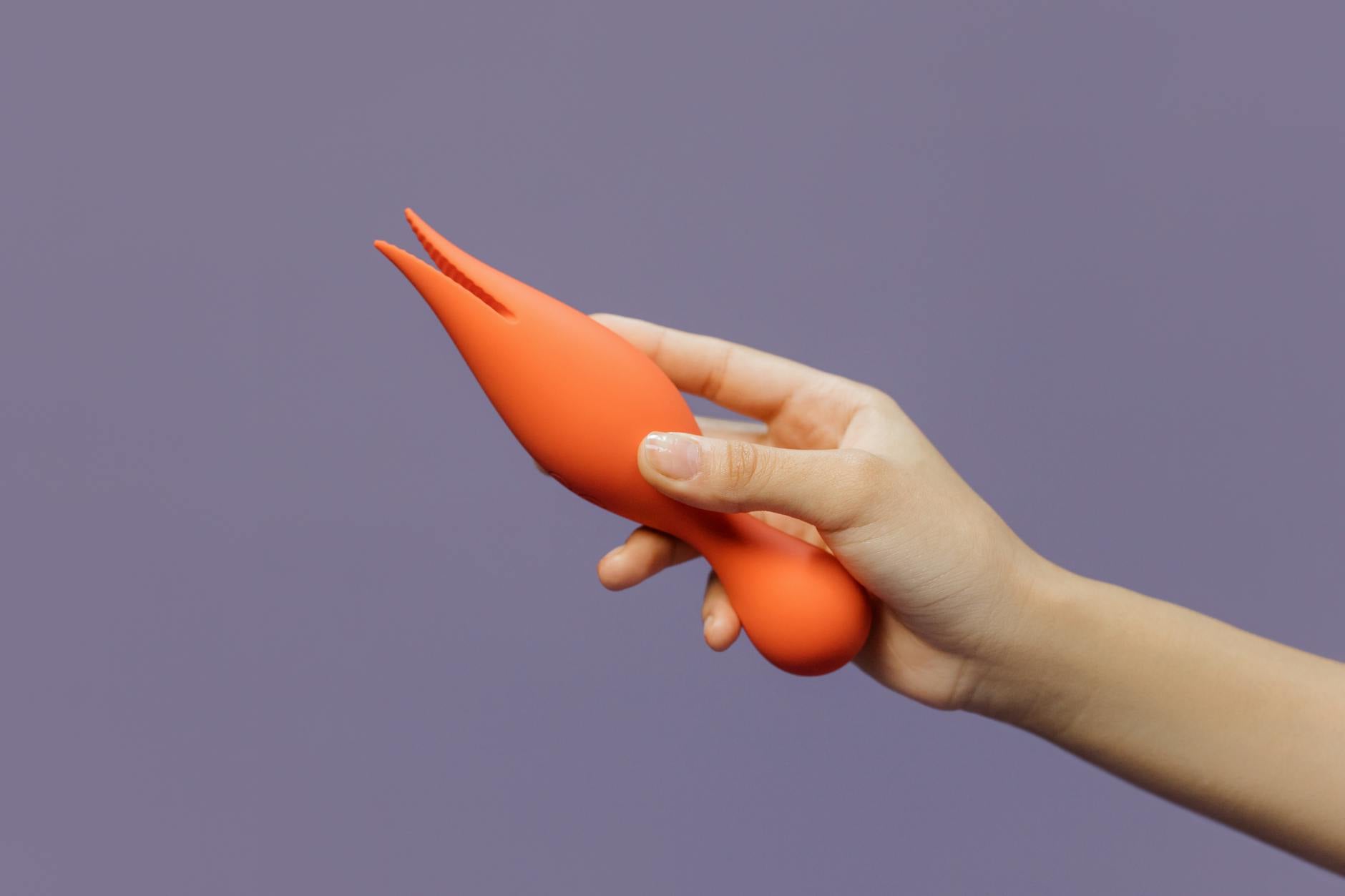
This is where air-suction technology like a lemon vibrator changes the game. Suction toys don't work the same way as traditional vibration. Instead of stimulating through friction, they create a gentle vacuum that activates a broader neural network around the clitoris. That means less reliance on the exact pressure and angle your partner is providing—and more autonomy over your own pleasure.
When you introduce a clitoral vibrator into partnered sex, you're essentially bypassing the inconsistency problem. You're not waiting for your partner to hit the right angle or pressure. You're creating the exact sensation your body needs, independent of what they're doing. That shift in control often dissolves the performance anxiety that was interrupting your orgasm in the first place.
Studies on partnered vibrator use show that couples who integrate toys report higher arousal consistency and fewer instances of delayed or absent orgasms. The tool doesn't replace your partner's touch. It complements it, taking pressure off both people to be the sole source of pleasure.
Before you introduce it, have the actual conversation
Here's where most couples get stuck. They assume introducing a toy means "your body isn't enough for me" or "I'm not satisfied with you." That's not how to frame it. And it's not true.
The conversation should sound like this: "My body does something different when we're together, and I want to figure it out with you. I know what works when I'm alone. I want to bring that into our time together instead of leaving that part of me at the door."
That frames the toy as a bridge, not an indictment. You're not asking them to do something different. You're asking permission to resource yourself while they touch you the way they want to.
Most partners—especially ones who care about your pleasure—say yes. Some need reassurance. And if they don't? That's a different conversation, and one worth exploring in a couples context.
The step-by-step integration for unpredictable orgasms
Start with clitoral foreplay alone. Before your partner enters the picture, use your lemon vibrator during partnered sex in the foreplay phase. Let your body build arousal on your timeline. This teaches both of you that the tool is part of the pleasure buildup, not a substitute.
Then keep it during penetration. If penetration is part of your sex, you can hold the vibrator against your clitoris while your partner is inside you. The dual sensation often triggers orgasms that feel impossible with one or the other alone. The vibrator maintains the clitoral stimulation your body needs, while your partner provides depth and connection.
Communicate what feels good in real time. "A little higher." "Keep doing that." "I like it when you don't move." This removes the guesswork for both of you. Your partner stops wondering if they're doing it right. You stop managing their feelings instead of focusing on your own sensation.
Don't make orgasm the goal. This is the hardest one, and the most important. If you introduce the vibrator with "this will make me orgasm," you've created a new performance pressure. The tool is there to help you stay connected to sensation. The orgasm may or may not happen. Both outcomes are fine.
What to do if shame creeps in
Some people feel shame the first time they use a vibrator with a partner. The story goes: "Good partners should be enough." "I shouldn't need a toy." "This means something's wrong with me."
None of that is true. You don't use a lemon vibrator because your partner is inadequate. You use it because your nervous system works better with external support in partnered contexts. That's not a defect. That's you knowing your own body and advocating for what you need.
Same logic applies to reading glasses or a heating pad. The tool isn't an insult to your partner's hands. It's a resource that helps your body do what it already knows how to do.
Practical troubleshooting
If you're still not orgasming after a few attempts, the issue usually isn't the tool. It's one of three things:
The pressure of expectation. You're still monitoring whether it's "working." Try using the vibrator for a few sessions with zero goal except sensation. No orgasm required. No outcome. Just notice what feels good.
The timing mismatch. Your partner might be thrusting or moving in a way that makes it hard to keep the vibrator in place. Talk about slowing down or staying still while you build arousal. This isn't about them stopping pleasure. It's about creating stability so you can access yours.
The wrong intensity setting. If you've been using your vibrator solo on a lower setting, your body might need a higher pattern once arousal is already building. Experiment. Higher intensity doesn't mean better—it means different. Find the setting that works in this specific context.
Making space for unpredictability
Here's the thing: even with a tool, some nights will be easier than others. Your cycle, stress levels, how present you feel, whether you're in your head about something—all of that matters. A lemon vibrator makes consistency more likely. It doesn't guarantee it.
That's actually healthy. Expecting yourself to orgasm on demand is a setup for frustration. Using the vibrator to help you access pleasure on the nights when your body wants to, without judgment on the nights when it doesn't, is the real win.
Your partner doesn't need to fix you. You're not broken. You just needed a tool that works with how your nervous system actually operates in partnered contexts. That's not settling. That's resourcefulness.
People also ask
Why do I orgasm easily alone but not with a partner?
Your brain activates differently. Alone, your prefrontal cortex can relax. With a partner, even subconsciously, you're monitoring their reaction and your own performance. That mental load interrupts the physical sensations needed for orgasm. It's neurobiology, not a personal failing. A clitoral vibrator like a lemon massager can help your body achieve the same autonomy during partnered sex that you have alone.
Is it normal for a lemon vibrator to take getting used to with a partner?
Completely. Your body has learned one pattern for partnered pleasure, and introducing something new temporarily disrupts that. Give it three to five sessions before deciding if it works. The awkwardness usually fades once both partners understand it's not a replacement but an addition to intimacy.
Can I use a lemon clitoral vibrator during penetration?
Yes. You can hold it against your clitoris while your partner is inside you, or ask them to hold it if that feels more connected. The exact positioning depends on your body and their body, so experiment. Some couples find that keeping the vibrator in one spot while the partner moves feels best. Others like gentle movement with the vibrator. There's no right answer.
What if my partner is intimidated by the vibrator?
This often comes from a place of insecurity, not rational objection. The conversation reframe helps: you're not using it because they're not enough, you're using it because your nervous system works better this way. If they're still resistant after understanding that, there's a deeper conversation about emotional safety that might benefit from professional support. Check out how other couples navigate toy resistance.
How do I know if it's the tool or if something else is affecting my orgasms?
If you orgasm alone with the tool but not with a partner after several attempts, it's likely a nervous system issue, not a physical one. Stress, relationship tension, performance anxiety, or feeling unsafe often mask as orgasm problems. A lemon vibrator can help, but it's addressing the symptom. If the real issue is relationship conflict or trauma, addressing that directly with a therapist will make more difference than any tool.
Do partnered orgasms feel different than solo ones?
Often, yes. Solo orgasms can feel more localized and intense. Partnered orgasms, especially ones supported by a vibrator, often feel more full-bodied and connected because you're receiving stimulation from multiple sources. Neither is better. They're just different experiences, and most people enjoy having both available.
The real shift
Using a lemon vibrator with a partner isn't about fixing your body. It's about giving your nervous system permission to relax into pleasure the same way it does when you're alone. Once you separate the tool from the shame, once you understand that adding support doesn't mean your partner is inadequate, the whole experience shifts.
Your body knows how to orgasm. It just needed the right conditions. Sometimes those conditions include a partner's touch. Sometimes they include your own hand and a tool that understands your anatomy. Most often, the best orgasms involve both working together.
Start with conversation. Move into experimentation without pressure. Stay curious about what your body needs in this specific context. The unpredictability you're feeling isn't a permanent state. It's information. And once you decode it, pleasure becomes a lot more available.