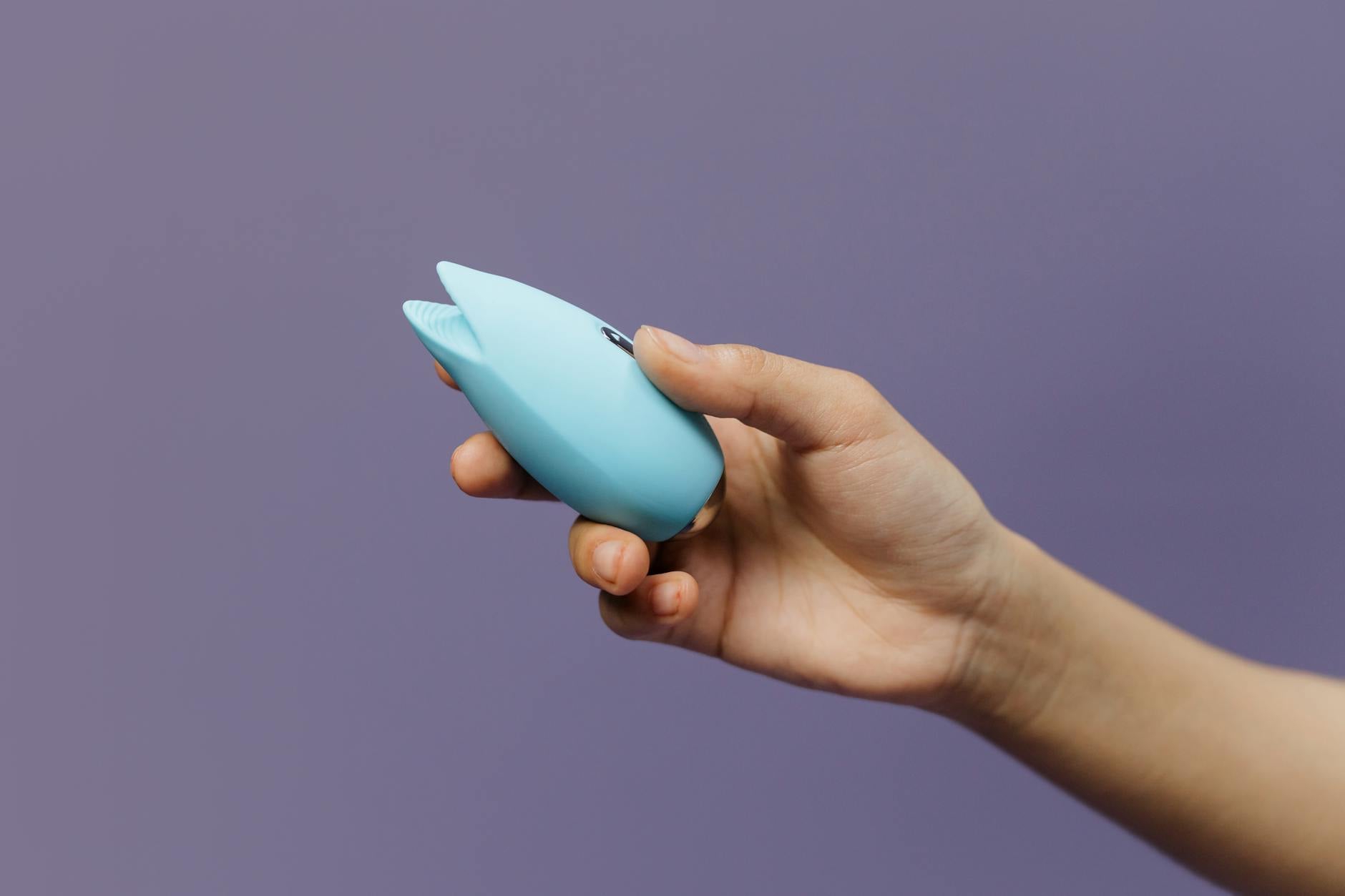
How to Use a Lemon Vibrator When Sex Feels Like a Chore With Your Long-Term Partner
When intimacy becomes routine obligation instead of connection, a lemon clitoral vibrator isn't just a tool. It's permission to want something different.
You've been together long enough that sex has stopped feeling like exploration. It feels like administration. You know the moves, they know your moves, and somewhere between familiarity and habit, wanting each other became something you schedule around. And honestly? That's one of the most common relationship injuries I see in my practice.
Long-term partners often assume that dwindling desire means the relationship is broken. It doesn't. It means the novelty is gone and you haven't yet built what keeps couples wanting each other: genuine curiosity about each other's pleasure.
When sex becomes routine, the brain stops paying attention. You're not building arousal. You're going through a script. And when one partner (or both) feels obligated rather than interested, resentment starts building quietly underneath. You start avoiding sex, which makes the next time heavier. The cycle deepens.
A lemon vibrator, or any clitoral vibrator, interrupts this pattern. It's not magic. But it does something crucial: it forces attention back onto sensation instead of performance. It reintroduces the question: what actually feels good right now?
Before you bring a lemon clitoral vibrator into the bedroom with your partner, you need to say something. Not "I want to try a toy." That lands like criticism. Say this instead:
"I miss the feeling of wanting you. I want to figure out how we get that back. I'd like to try something different, and I want you to be curious about it with me."
Notice what that does. It names the real problem. It makes the toy about reconnection, not substitution. And it invites participation instead of imposing change.
If your partner gets defensive, that's worth paying attention to. Defensiveness often signals fear. Fear that a toy means they're not enough. That's a separate conversation. My first book, "Rebuilding Desire in Long-Term Love," goes deep into this, but the short version is: a toy isn't competition. It's a way of saying "I want to feel more with you."
Here's what typically happens when a long-term couple introduces a lemon clitoral vibrator:
First, sensation returns. The vibration wakes up nerve endings that routine touch has made numb. You remember what it feels like to be in your body instead of in your head. That alone shifts the whole experience.
Second, attention shifts. Instead of both partners focused on the end goal (finishing), you're both focused on what feels good in real time. That's incredibly vulnerable and incredibly connecting. You start asking questions. "Does this speed feel good?" "Want me to slow down?" You become curious again.
Third, pleasure becomes mutual again. For partners who've been in the obligation cycle, one person often isn't having much fun. A lemon vibrator means that person's pleasure becomes the focus. And when your partner watches you genuinely enjoy something, it rebuilds attraction in real time.
Don't try to integrate it during sex right away. That's too much novelty and vulnerability at once.
Start during foreplay. After you're both relaxed and a little aroused, introduce it. A lemon clitoral vibrator is quieter than you'd expect. Show it to your partner. Let them hold it. Turn it on so they understand the sensation before it touches you.
Then use it on yourself while they touch you elsewhere. This does three things. First, you get intense sensation without needing them to provide it, which actually takes pressure off. Second, they get to watch you respond to pleasure, which is typically arousing. Third, you're both in the same room having a shared experience instead of performing separate scripts.
Start on a lower intensity setting. If you're used to obligatory sex, your nervous system is probably still in some level of tension. High intensity can feel overwhelming. Build up.
A lemon vibrator helps with sensation. But sensation alone won't fix obligatory sex. You also need to address what made sex feel like a chore in the first place.
Often it's resentment. One partner wanted more connection and didn't get it. One partner felt pressured and got frustrated. Neither of you voiced it clearly, so it just calcified into "I don't want sex with you anymore."
Before you reach for the toy, ask yourselves: What's the actual complaint? Is it frequency? Lack of foreplay? Feeling unseen? That's the conversation to have. A lemon vibrator can enhance good sex. It can't fix broken communication.
Sometimes the obligatory feeling comes from anxiety. Performance anxiety, body anxiety, anxiety about whether your partner still finds you attractive. If that's your particular pattern, a lemon clitoral vibrator can help because it's low-pressure. You're just exploring sensation together. But it works better alongside actual reassurance.
And sometimes obligatory sex is just what happens when you stop prioritizing intimacy. You get busy, you get tired, you get comfortable. Which is normal and requires a normal solution: deciding that reconnecting matters enough to schedule time for it.
If a lemon vibrator becomes something you use once and then shelve, it won't fix the real pattern. You need to let it become normal.
This takes two things. First, actual permission. Not "we should probably use the toy" but "I want to use the toy because it feels good and I want you watching me." Own the desire.
Second, repetition without pressure. Use it enough times that it stops feeling like a special occasion. When it's woven into regular sex, it stops being "we're trying something new" and becomes "this is what turns us on now."
Most couples I work with find that after 4-6 weeks of regular use, the pattern starts shifting. Desire starts rebuilding. Not because the toy is magic. Because they're finally paying attention to pleasure again.
You'll notice three things. First, one of you will initiate sex because you actually want it, not because you feel like you should. That's the most important signal.
Second, you'll catch yourself thinking about sex during the day. Not in a stressed way. In a curious way. That's your brain waking up.
Third, you'll laugh more during sex. That's the real indicator. When you're both relaxed enough to be playful, you've crossed back into genuine intimacy.
If you've tried this and nothing shifts, it might be worth talking to a couples therapist. Sometimes obligatory sex is a symptom of a bigger rupture. Infidelity, unresolved conflict, growing apart. A lemon vibrator can't fix those things. Those need actual help.
But if it's just routine and resentment, if it's just that you've stopped paying attention to each other? This is fixable. Start with the conversation. Then introduce the tool. Then be patient with reconnection. It usually works faster than you'd expect.
Not by itself. A lemon vibrator is a tool that interrupts routine and invites attention back to sensation. But the real fix is deciding that your partner's pleasure and your own matter enough to prioritize. The vibrator just makes that easier.
That's the fear talking, not reality. Have the conversation before you introduce anything. Use language that invites them in: "I want to explore what feels good to both of us." If the defensiveness persists, that might be worth exploring with a therapist. Often it's tied to their own insecurities, not about the toy.
Not necessarily. Usually one partner uses it during partnered sex while the other provides other touch. That's where the magic happens. But some couples find they both enjoy penetrative vibration. There's no wrong answer. Explore what actually feels good to you.
That might signal something else going on. Stress, depression, medication side effects, burnout. A lemon vibrator can help you reconnect with your own pleasure, which is valuable. But if desire is gone across the board, it's worth checking in with a doctor or therapist. Sometimes your body is trying to tell you something.
At least twice a week for 4-6 weeks to see real shift. Think of it like exercise. One session doesn't rebuild anything. Consistency does. After that, use it as often as you both want. Some couples keep it in the rotation long-term. Others use it when they feel desire dipping again.
Completely normal. Most long-term couples hit this wall. The difference between couples who stay stuck and couples who reconnect is whether they're willing to interrupt the pattern. You're already here, already thinking about change. That's half the work.
Obligation is what happens when you stop being curious about each other. A lemon vibrator is just a tool that makes curiosity easier. But the actual reconnection happens because you both decided that wanting each other mattered. Use that tool. Have the conversation. Be patient with the rebuild.
Your partner is still in there. So is your desire. Both just need permission to wake up again.