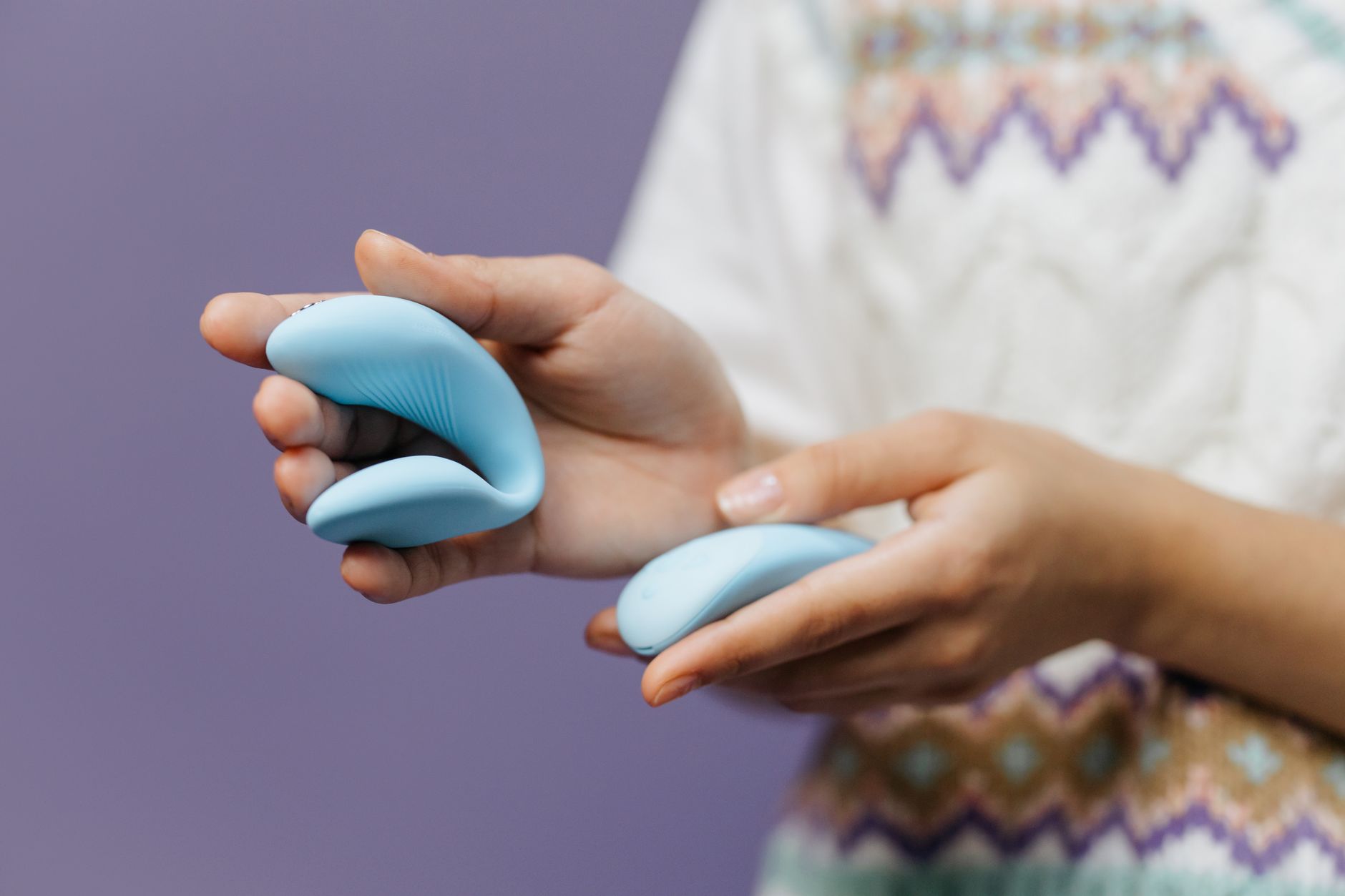
How to Use a Lemon Vibrator When You Start Therapy and Reconnect With Your Body
Therapy rewires how you feel. Your body follows. Here's what happens to pleasure when you're healing, and why a lemon vibrator is often the gentlest way back in.
Let's be real. Starting therapy often means something unexpected happens to your body. Not in a bad way, necessarily. But different. You begin processing things you've been carrying for years. That nervous system finally feels safe enough to lower its guard. And suddenly, pleasure doesn't work the same way it did before.
This is wildly common, and almost nobody talks about it. You show up to therapy expecting emotional shifts. You don't expect your sexual response to change. Yet it does. Some people find desire returns after years of numbness. Others discover that touch they used to enjoy now feels wrong. Both are signs your body is healing, and both require patience and the right approach to reconnect.
When you've been through something hard. When you've had to stay alert or small or invisible. Your nervous system remembers. It guards your pleasure like a security system. That's not dysfunction. That's survival. Therapy works because it slowly teaches your body that the threat has passed. The nervous system downregulates. Old protective mechanisms soften.
This rewiring often happens at the level of sensation before it reaches conscious awareness. You might notice it during everyday touch first. A hug feels deeper. Sitting close to someone doesn't feel like a trap. And then, eventually, sexual sensation begins to shift too.
But here's the thing. That shift doesn't always feel like a return to normal. It feels like learning sensation from scratch. Because in a way, you are.
Three big changes happen in the body during and after therapy:
Your nervous system is learning to trust again. This sounds abstract, but it's neurological. When you've been protecting yourself, certain nerve pathways prioritize vigilance over pleasure. As therapy quiets those alarm states, different pathways activate. The clitoral nerves have more bandwidth to register sensation when your brain isn't devoted to threat-scanning.
Emotional numbness is lifting. Many people who've lived through trauma, loss, or chronic stress report a baseline emotional flatness. It's not depression necessarily. It's protective dissociation. As that clears, you feel more in your body generally. That includes sexual sensation. Which can feel overwhelming at first, because you're not used to feeling this much.
You're learning consent from the inside out. Therapy teaches you to notice your own boundaries, your own yes and no. That's a skill that extends to sex. You might find that old patterns of pushing through discomfort or ignoring your own cues suddenly feel intolerable. That's not regression. That's wisdom.
When you're reconnecting with your body, traditional vibrators can sometimes feel too intense or too fast. They demand a response before you've had time to notice what you actually want. A lemon clitoral vibrator works differently.
The suction mechanism means sensation builds gradually. You're not relying on friction alone. You can start at a low setting and feel the stimulation deepen at your own pace. That pacing control is crucial when your body is learning to trust pleasure again. There's no rush. No performance pressure. Just a slow, cumulative sensation that your nervous system has time to process and accept.
Lemon vibrators also tend to have a softer start curve than traditional bullet vibrators. If your sensitivity is heightened right now (which it often is during therapy breakthroughs), a gentler introduction to sensation helps your body stay present instead of tensing against something that feels too strong.
Your therapist has probably taught you grounding techniques by now. Use one before you touch yourself. That 5-minute pause signals to your nervous system that you're choosing this, that you're safe, that this is intentional.
Then sit or lie somewhere you feel genuinely comfortable. Not just physically. Emotionally. If you need to be clothed at first, stay clothed. If you need the door locked and the lights on and your phone nearby, that's exactly right. Your nervous system knows what it needs.
When you use a lemon vibrator for the first time during this phase, start with the lowest setting. Your clitoral tissue is possibly more sensitive than it's been in years. Sensation might feel sharper or more noticeable than you expect. That's not pain. It's just heightened awareness. Your body adjusting to feeling good again.
Spend 10-15 minutes just getting used to the sensation. No goal. No pressure for orgasm. Just your nervous system becoming familiar with the input. Notice what happens. Does your breathing change. Does your mind wander. Do you tense or relax. These observations matter more than any physical response.
It probably will, and that's completely normal. Therapy can surface old beliefs about your body and your right to pleasure. Beliefs you didn't even know you were carrying. You might feel shame. You might feel scared. You might feel absolutely nothing, which can feel scarier than shame.
If that happens, pause. Set the lemon vibrator down. Go back to grounding. Your therapist probably taught you the 5-4-3-2-1 technique or something similar. Use it. Talk to yourself the way you'd talk to someone you love who's learning to trust their body again. Which you are. Which is brave.
This phase doesn't last forever. But it requires you to move slower than you might want to. That slowness is the healing, not a barrier to it.
Once you've used a lemon vibrator a few times at the lowest setting, your nervous system starts to recognize the sensation as safe. Then you have options. You can increase the intensity gradually. You can use it longer. You can explore whether partnered touch matters to you right now, or whether solo pleasure is where the healing lives for now.
There's no timeline here. Some people move quickly from reconnection to pleasure. Others spend months gently exploring sensation before they feel ready for anything more intense. Both timelines are correct.
If you're in a relationship, your partner's patience during this phase matters more than they probably realize. A lemon clitoral vibrator is actually a great conversation starter because it's less loaded than some other toys. It's clearly about your pleasure and your pace, not about supplementing anything they're doing. That boundary can feel good to state out loud.
If numbness persists after several months of gentle exploration, bring it up in session. That might mean your medication needs adjusting, or your nervous system needs a different kind of work, or something else entirely. Your therapist isn't there to shame you for exploring pleasure. They're there to help you understand your body's signals.
Same thing if pleasure feels joyful and accessible one week and completely shut down the next. That's information about your nervous system, not a sign you're doing something wrong. Therapy is about learning to read your body's signals accurately. Sexual exploration is part of that literacy.
The point of all this isn't to force a return to how sex used to feel. The point is to help your body remember that sensation can be safe, that pleasure can be trustworthy, that you deserve to feel good. A lemon vibrator is just a tool for that conversation between you and your body. The conversation itself is what matters.
Yes. Many people on SSRIs or other antidepressants experience reduced sensation. A lemon vibrator works well in these situations because the suction mechanism stimulates nerves differently than friction-based vibrators. That different pathway sometimes bypasses the numbness. But check with your doctor about whether your medication dose is right for you. Sometimes sensation returns when the dosage is adjusted. A lemon vibrator can help during that process.
Completely normal. Your body has been holding stress and protection. When it relaxes enough to feel pleasure, sometimes that release comes with tears or waves of feeling. That's not a sign to stop. That's your nervous system processing. Let it happen. Stay present with it. Keep tissues nearby.
Orgasm capacity often shifts during therapy and healing. This can happen for a few reasons: your nervous system is still in transition, your expectations are creating pressure, or orgasm genuinely isn't the right goal for you right now. Try letting go of the orgasm outcome entirely. Explore sensation for sensation's sake. Sometimes orgasm returns naturally once you stop chasing it. Sometimes pleasure without orgasm becomes the more interesting destination.
Start with more distance between you and the sensation. Use a lemon vibrator over clothes first. Let your nervous system adjust at its own pace. Many trauma survivors find that external vibration over cloth feels safe enough to explore gradually. Talk to your therapist about this specifically, because they'll know your history and can help you calibrate the pace.
There's no standard timeline. Some people find reconnection happens within weeks. Others take months or longer. The good news is that healing isn't linear, and sensation often returns faster than you'd expect once your nervous system genuinely feels safe. Keep going. Your body knows how to feel good. Therapy just taught it to trust that feeling again.
It's healing, as long as it's paired with the rest of the work. A toy isn't a replacement for therapy. It's an extension of what you're already doing. You're teaching your body that sensation can be safe. You're reconnecting with pleasure as part of your recovery. That's exactly what it should be.
Therapy is teaching your body that it's safe to feel. Your pleasure matters in that equation. A lemon vibrator is simply a tool that meets your nervous system where it actually is right now. Not where it used to be. Not where you think it should be. Where it actually is.
Take your time. Your body is doing the brave work of healing. Give it permission to feel good again at whatever pace feels right. If you have questions about how a lemon vibrator might fit into your specific situation, we're here to help. Reach out to Shop Lemon Massager anytime.