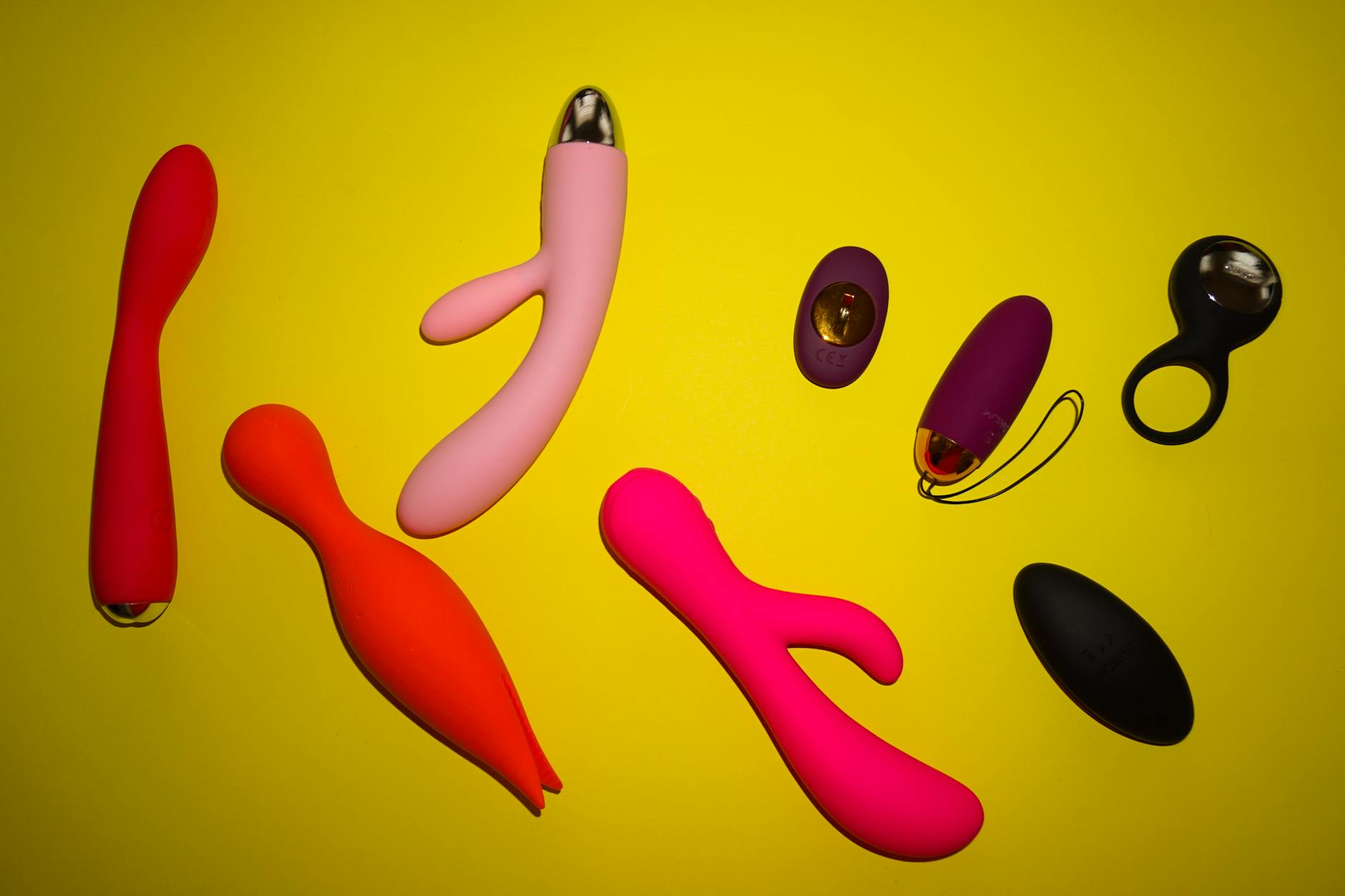
How to Use a Lemon Vibrator When You Start a New Medication
Your body's response to pleasure shifts when medication changes. Here's what's happening and exactly how a lemon clitoral vibrator can help you find sensation again.
You started a new medication and suddenly sex feels muted. The pleasure is there, technically, but it's like watching the moment through frosted glass. You're not broken. Your medication is working exactly as designed. The side effect, unfortunately, is a dampened sexual response.
This happens more often than you'd think. Antidepressants, blood pressure medications, antihistamines, even some antibiotics can flatten arousal and orgasm. The good news? This is completely fixable, and a lemon vibrator is one of the most effective tools for rebuilding sensation right now.
Most medications that affect pleasure do it in one of three ways. Some medications (especially SSRIs) reduce dopamine signaling in the brain's pleasure centers. Others lower blood flow to the genitals or slow nerve firing. A few do both at once, which is why the effect can feel so dramatic.
The clitoris is exquisitely sensitive to blood flow and neural activation. When either one drops, arousal builds more slowly and orgasm requires more stimulation intensity. This isn't a psychological block. It's physiology. Your body still wants pleasure. The pathway is just less efficient right now.
The worst part? Many people assume the numbness is permanent or that their body is rejecting the medication. Neither is usually true. Sensation often returns after 4 to 8 weeks as your body adjusts, but you don't have to wait passively. You can rebuild responsiveness actively.
A lemon clitoral vibrator like those from Shop Lemon Massager uses air-suction stimulation instead of direct vibration. Here's why that matters when you're on medication that dulls sensation.
Regular vibrators rely on friction and oscillation. When your nerves are less responsive, you need more friction to feel anything. That can get uncomfortable fast, especially if you're trying to rebuild sensation gradually. Air-suction stimulators work differently. They create a gentle pulling sensation that wakes up nerve endings without the mechanical grinding of traditional vibrators.
The lemon vibrator's design specifically targets the clitoris with stimulation that feels almost like a soft kiss rather than a buzz. For medicated bodies, this gentler approach is often more effective because it works with your current sensitivity instead of trying to override it. You can start at low intensities and build upward as sensation returns, which is exactly what you need right now.
Weeks 1 and 2 are about baseline mapping. Use your lemon vibrator at setting 1 or 2 for just 5 to 10 minutes. You're not trying to orgasm yet. You're relearning what sensation feels like on your new medication. Notice what patterns feel closest to pleasure, even if pleasure itself feels distant.
Weeks 3 and 4 are where you'll start noticing actual shifts. Your nervous system begins adapting to the medication, and sensation often starts returning. Try 10 to 15 minutes at patterns 2 to 4. Many people report that this is when the lemon vibrator's air-suction design clicks. It feels less intrusive than a traditional vibrator, and your body starts responding.
Weeks 5 to 8 are often when full sensation returns, especially if your medication was the only change. If you're still experiencing numbness at week 8, it's worth talking to your prescriber about timing (taking the medication after sex rather than before, if possible) or whether an adjustment to dosage might help.
1. Use your vibrator in the right frame of mind. Medication can affect not just physical sensation but psychological arousal. Set aside 20 minutes where you're not multitasking. Put your phone across the room. This is not about achieving orgasm. It's about noticing what your body can feel right now. Lowering the pressure to perform often speeds up the return of pleasure.
2. Pair your lemon vibrator with partner touch if you have one. Some medications also reduce the amount of oxytocin your body produces during intimacy. If you have a partner, alternating between the vibrator and manual touch can help reactivate both pleasure pathways. Ask them to touch you between bursts of vibration. This variation often wakes up sensation faster than the vibrator alone.
3. Time it strategically. If you take your medication at night, try using your vibrator in the morning or afternoon when the medication's effects might be slightly less intense. Some people find that a warm shower beforehand increases blood flow to the clitoris, which can help the lemon vibrator's effects register more clearly.
If you're still not experiencing any pleasure return after 8 weeks on medication, that's the moment to loop in your prescriber. There are usually three conversations worth having.
First, ask whether timing the medication differently might help. Some medications taken at night affect daytime sensation less. Second, ask about adjusting the dose slightly. Sometimes a smaller dose maintains the therapeutic effect while reducing sexual side effects. Third, ask about adding something. Certain medications can counter sexual numbness when prescribed alongside your primary medication.
Don't assume your doctor will brush this off. Sexual function is a legitimate medical concern, and good prescribers take it seriously. But they can't help if they don't know the problem exists.
Here's the thing about medication-related sexual numbness that's rarely discussed. It hits differently than natural changes to pleasure because it feels like the medication took something from you that was working fine before. Grief is legitimate. You had a functional sex life, and now you're rebuilding. That's real.
The rebuilding process with a lemon vibrator or other tools isn't about going back to exactly how it was. It's about finding a new baseline that works with your medicated body. Many people report that once sensation returns, their pleasure is actually deeper because they've had to slow down and pay attention to it. But that doesn't erase the frustration of the transition.
If you have a partner, naming this out loud helps enormously. You're not broken. Your medication isn't a punishment. You're both adjusting to a new normal. That's a conversation worth having separately from the physical aspects of rebuilding sensation.
Most medication-related pleasure numbness is temporary. Your body is remarkably good at adapting. Using a lemon vibrator during this period isn't a workaround. It's a tool that lets you practice responsiveness while your nervous system catches up to the change. In 4 to 12 weeks, depending on your medication and your body, sensation usually bounces back significantly. Many people find that their pleasure actually deepens once it returns because they've learned more about their own responsiveness.
It depends on the medication, but most people notice significant improvement between 4 and 8 weeks as their body adjusts. Some medications take up to 12 weeks. If you're still experiencing numbness after 12 weeks, that's the signal to talk with your prescriber about dosage, timing, or adding something else. You don't have to live with it indefinitely.
Yes. A vibrator is a tool that works with your body, not against it. If anything, the lemon's gentle air-suction design is safer on medicated bodies because it doesn't require your nervous system to be as responsive to register sensation. That said, if you're on blood thinners or have clotting concerns, check with your doctor about intense genital stimulation, though a lemon vibrator's gentle approach is typically fine.
No. Sensation numbness is neurological, not structural. Using a gentle vibrator actually helps wake up nerve endings. You won't damage anything, and you might actually speed up the return of natural sensation by keeping that area stimulated and blood-flowing.
Yes, absolutely. Most partners want to help. The conversation often opens up space for new kinds of touch and attention that end up being really connecting. Frame it as a temporary adjustment you're navigating together, not as something they did wrong or something wrong with your attraction to them.
Talk to your prescriber. Mention that you've given your body time to adjust and you're still experiencing numbness. They can explore whether timing changes, dose adjustments, or adding another medication might help. In the meantime, keep using your vibrator. It's maintaining neural pathways for pleasure even if you're not fully feeling it yet.
Yes. Some medications cause immediate and dramatic pleasure numbness. It's disorienting, but it's not a sign that you've permanently lost something. Your nervous system is adjusting, and sensation almost always returns with time and the right tools. A lemon vibrator helps you stay connected to that part of yourself while you wait.