The thing no one tells you about hormonal shifts and pleasure
Your hormones are talking to your nerves right now. Estrogen, testosterone, progesterone. they're not just floating around your bloodstream doing abstract things. They're actively shaping how sensitive your clitoris is, how quickly arousal builds, how intensely sensation registers in your brain. When those levels shift, your whole sensory map changes. Not permanently. Not catastrophically. But noticeably. And that's actually useful information if you know what to do with it.
Most people assume that changes in sensation mean something is broken. The reality is messier and more interesting. Your body isn't malfunctioning. It's responding to real biochemical shifts. Once you understand that, you can stop fighting it and start working with it instead.
What hormonal fluctuations actually do to sensation
Here's the mechanism. Estrogen directly affects nerve sensitivity in the clitoral tissue. Higher estrogen generally means faster arousal and sharper sensation. When estrogen drops.whether that's mid-cycle, before your period, or across a longer transition like menopause.the clitoral nerves become less reactive. They don't disappear. They just need more input to fire.
Progesterone complicates things further. It tends to dampen arousal and make sensation feel more diffuse or muted. In the luteal phase of your cycle, progesterone rises, and many people report that sharper, localized pleasure feels less accessible.
Testosterone (yes, people with ovaries produce it) drives desire and clitoral sensitivity. When testosterone drops.which happens gradually over a lifespan and more sharply during perimenopause.the motivation to seek stimulation often decreases, and the sensation itself feels fainter.
The useful part: none of this is permanent. Your body is not broken. It's just temporarily recalibrated. The nerve density hasn't changed. Your capacity for orgasm hasn't changed. Only the threshold has shifted.
Why lemon vibrators work better during hormonal transitions
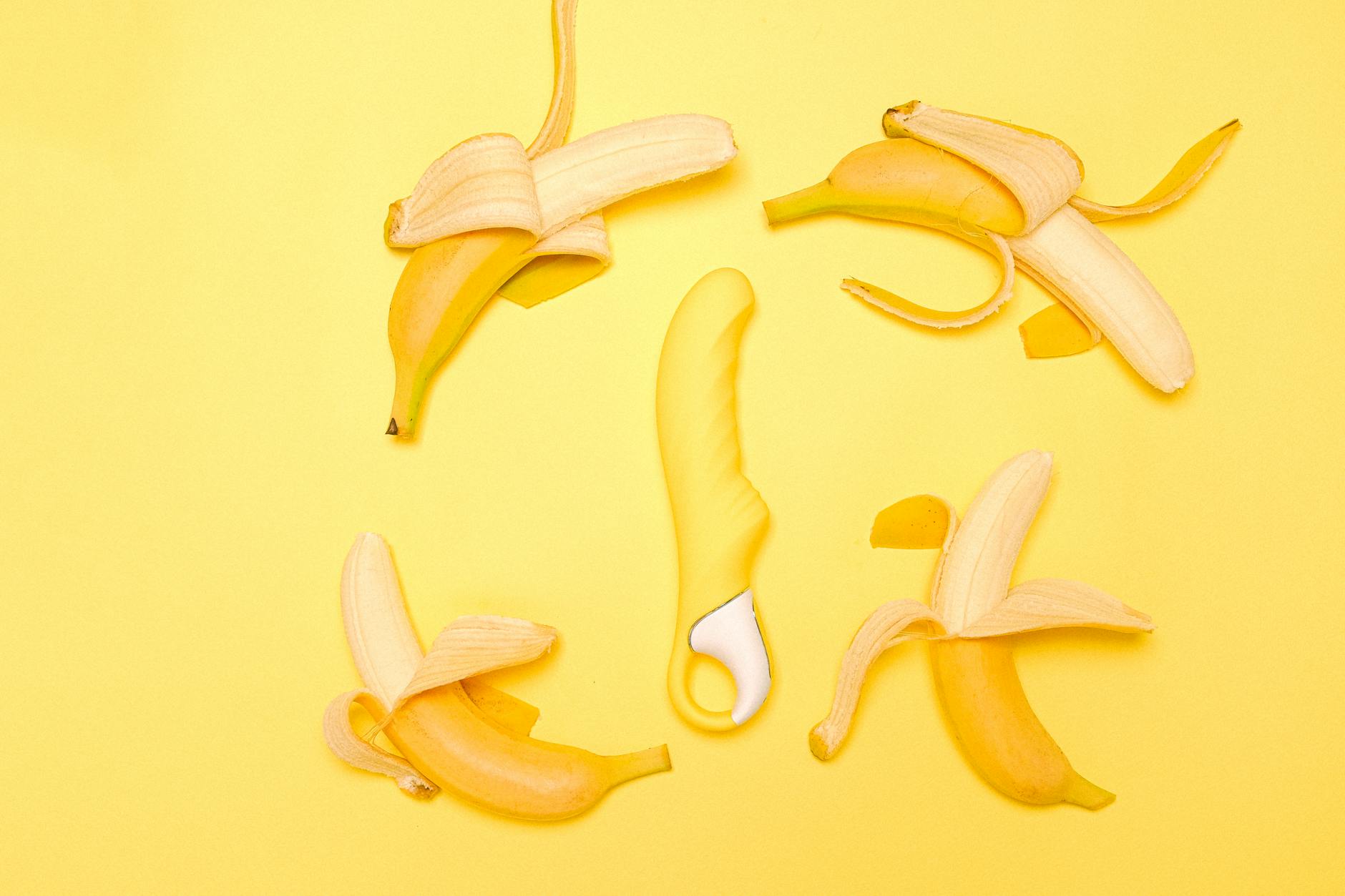
The suction-based mechanism of a lemon clitoral vibrator is fundamentally different from a wand or bullet. Instead of relying on pure vibration frequency to trigger sensation, it uses gentle suction plus rhythmic pulses. This dual mechanism means the stimulation cuts through even when your baseline sensitivity is lower.
Think of it this way. A traditional vibrator is like knocking on a door. When someone's asleep (low hormone = lower sensitivity), they might not hear it. A lemon vibrator is like gently pulling the door open. It's a different kind of stimulus entirely. It engages more nerve pathways at once, which means it works even when some pathways are temporarily less reactive.
The pattern variation matters too. On the Lem, you can dial down to pattern 1 or 2, which gives you suction without aggressive vibration. During high-progesterone phases or in early menopause when intensity feels overwhelming, that gentleness is game-changing. You're not fighting your body's current state. You're matching it.
Tracking your cycle and adjusting your approach
If you menstruate, you already know that your body isn't static across the month. High-estrogen days (usually around ovulation) are when stimulation feels easiest. Your clitoris is more engorged, your arousal builds faster, and orgasms often feel sharper. This is when many people find higher intensity (patterns 5-7) most satisfying.
The luteal phase (after ovulation, before your period) is different. Progesterone dominates, sensitivity dips, and pleasure often feels more internal or whole-body rather than purely clitoral. Here, starting at pattern 1 or 2 with the Lem makes more sense. You're not failing. You're adjusting to your actual neurochemistry.
Right before your period, sensitivity often tanks further while bloating and pelvic heaviness peak. This is actually a good time to either take a break from solo play entirely, or to focus on gentler, broader stimulation like the pulsing patterns rather than the more intense suction-only modes.
If you don't menstruate due to hormonal birth control, you're working with a flattened hormone curve. Your baseline sensitivity stays more consistent, but you might still notice subtle shifts. Same principle applies. Pay attention to what feels good on a given day. Don't assume consistency.
The perimenopause and menopause angle
Hormonal transition at midlife is when this stuff gets really visible. Estrogen starts fluctuating wildly instead of cycling predictably. One week your sensation feels almost normal. The next week, it's like someone turned down the volume on everything. That's not your imagination and it's not permanent. It's estrogen bouncing around like a pinball machine.
During perimenopause, many people find that a lemon clitoral vibrator becomes essential in a new way. The suction element becomes more important than vibration intensity. You might need to stay on patterns 2-4 instead of jumping to higher numbers. You might need lubrication even if you never did before. These aren't failures. They're tuning adjustments.
Once you're fully postmenopausal and estrogen stabilizes at a lower baseline, sensation often settles again. It may not feel identical to what it felt like at 25, but it becomes predictable again. And honestly, many people report that their most intense orgasms come after menopause, once the noise of cycling hormones finally stops.
Lubrication becomes strategic, not optional
When hormones shift, tissue changes too. Estrogen keeps vaginal tissue thick and well-lubricated. When estrogen drops, that tissue gets thinner and drier. This doesn't mean you're broken or that penetration must hurt. It means your clitoris needs a bit of external help to feel sensation fully.
Water-based lubricant during phases of low estrogen isn't a sign of dysfunction. It's smart technique. It reduces friction, improves glide, and makes every stroke of sensation register more clearly against tissues that need that support.
Use it with the Lem the same way you would with any toy. A small amount on the head before you start. Add more as needed. It's not messy if you're deliberate about it. And honestly, the slight cooling effect of lube application can feel amazing when you're in a higher-progesterone phase and everything feels oversensitive.
The warm-up window expands
When your hormones are high, arousal can hit in minutes. When they're low.especially during the follicular phase early in your cycle or in menopause.your nervous system genuinely needs more time to ramp up. This isn't psychological resistance. It's biology.
Budget longer. Go from 5 minutes of foreplay to 15 or 20. Let your body settle into the sensation. Start at lower patterns on your lemon vibrator and work upward instead of beginning at your usual intensity. Give your clitoris time to engorge and your arousal to build. You're not broken. You're just operating on a longer timeline right now.
Some people find that starting with external stimulation over clothing helps during these phases. The sensation is muffled, which matches the current sensitivity level. Then you remove clothing and go direct. It's a gentler ramp.
Reading your body's signals across hormonal phases
Pain during stimulation is not normal and not something you should power through. If suction or vibration hurts, stop. That's your body saying the approach isn't working right now. Try lower intensity. Try lubrication. Try a different pattern. If pain persists, see a provider who specializes in genitourinary health. That's not optional.
Unusual numbness is worth paying attention to too. If you typically feel sensation clearly and suddenly it's muted across several cycles, hormonal shifts might be the cause, but so might pelvic floor tension or other factors. A quick check-in with your healthcare provider is reasonable.
Pleasure should feel good or build toward good. If everything feels flat or frustrating consistently, you might need to shift your technique, your timing within your cycle, or your tool choice. The lemon vibrators work well for many people during hormonal transitions, but not for everyone in every phase. Trust what your body is actually reporting.
Talking to partners about what's changing
If you share pleasure with a partner, they might notice that things feel different too. Same tissue changes that affect sensation also affect how penetration or external touch feels. Hormonal shifts can make some textures uncomfortable or change what feels good.
The conversation doesn't need to be clinical. "My body's responding differently this phase" is enough. If you're menstruating, your partner might already know your cycle and can follow your cues. If you're in perimenopause or menopause, a brief explanation of what's happening physiologically helps. Suddenly needing more lubrication isn't a rejection. It's adaptation.
Manypeople find that using a lemon clitoral vibrator with a partner actually simplifies communication because it's so distinct from other toys or hands. Your partner can see which pattern you're engaging with and adjust their own timing accordingly. It becomes a tool for better sync rather than a point of confusion.
FAQ: Hormonal shifts and lemon vibrators
Why does my lemon vibrator feel different at different times of the month?
Your clitoral tissue is hormone-responsive. Estrogen makes tissue thicker and sensation sharper. Progesterone dulls both. The same toy feels dramatically different depending on where you are in your cycle because your actual nerve sensitivity has shifted. This is normal and not permanent.
Can I use my lemon vibrator safely during perimenopause?
Absolutely. Actually, lemon clitoral vibrators are particularly helpful during perimenopause because the suction mechanism works well even when vibration sensitivity is inconsistent. You might shift to lower patterns during hormonal dips, but the toy itself is safe and effective throughout the transition.
Should I use lubrication with a lemon vibrator when estrogen drops?
Yes. Lubrication isn't about dysfunction. It's about matching your tissue's current state. Lower estrogen means less natural lubrication. Adding water-based lube helps sensation register clearly against tissue that needs that support. It's technical adjustment, not a sign something is wrong.
What if my lemon vibrator feels too intense during my period or high-progesterone phases?
Start at pattern 1 or 2 instead of your usual pattern. Use a touch more lubrication. Budget longer for arousal. These are simple recalibrations, not failures. Some people skip those phases entirely and that's fine too. Your pleasure should feel good, not like work.
Does hormonal birth control change how lemon vibrators feel?
Yes, but differently. Hormonal birth control flattens your hormone curve instead of cycling it. That means more consistency month to month, but also sometimes less dramatic peaks in sensitivity. You might find you prefer mid-range patterns instead of jumping between high and low depending on timing.
Can estrogen therapy change how my lemon vibrator feels?
Yes. If you're using topical estrogen (like a cream for genitourinary syndrome of menopause) or systemic hormone therapy, tissue thickness and lubrication often improve within weeks. That directly affects sensation and arousal. Many people find they need less lubrication and can tolerate higher patterns after estrogen therapy starts. That's actually a good sign the tissue is responding.
What comes next
Your hormones aren't a bug in your pleasure. They're part of the design. Understanding how they actually influence sensation means you stop blaming yourself for phases when things feel different. You adjust. You use better tools like lemon clitoral vibrators that work even when baseline sensitivity shifts. You add lubrication without shame. You budget time without resentment.
That's not resignation. That's expertise. You're learning to read your actual body instead of expecting it to perform the same way every day. Once you do that, pleasure stops feeling like something you're doing wrong and starts feeling like something you're getting better at.
If you're navigating hormonal shifts and feeling frustrated with sensation or arousal, a conversation with a therapist or healthcare provider trained in sexual health is worth it. They can help you sort whether what you're experiencing is purely hormonal, or whether something else is going on. Either way, you deserve support tailored to your actual body, not a generic guide written for someone else.