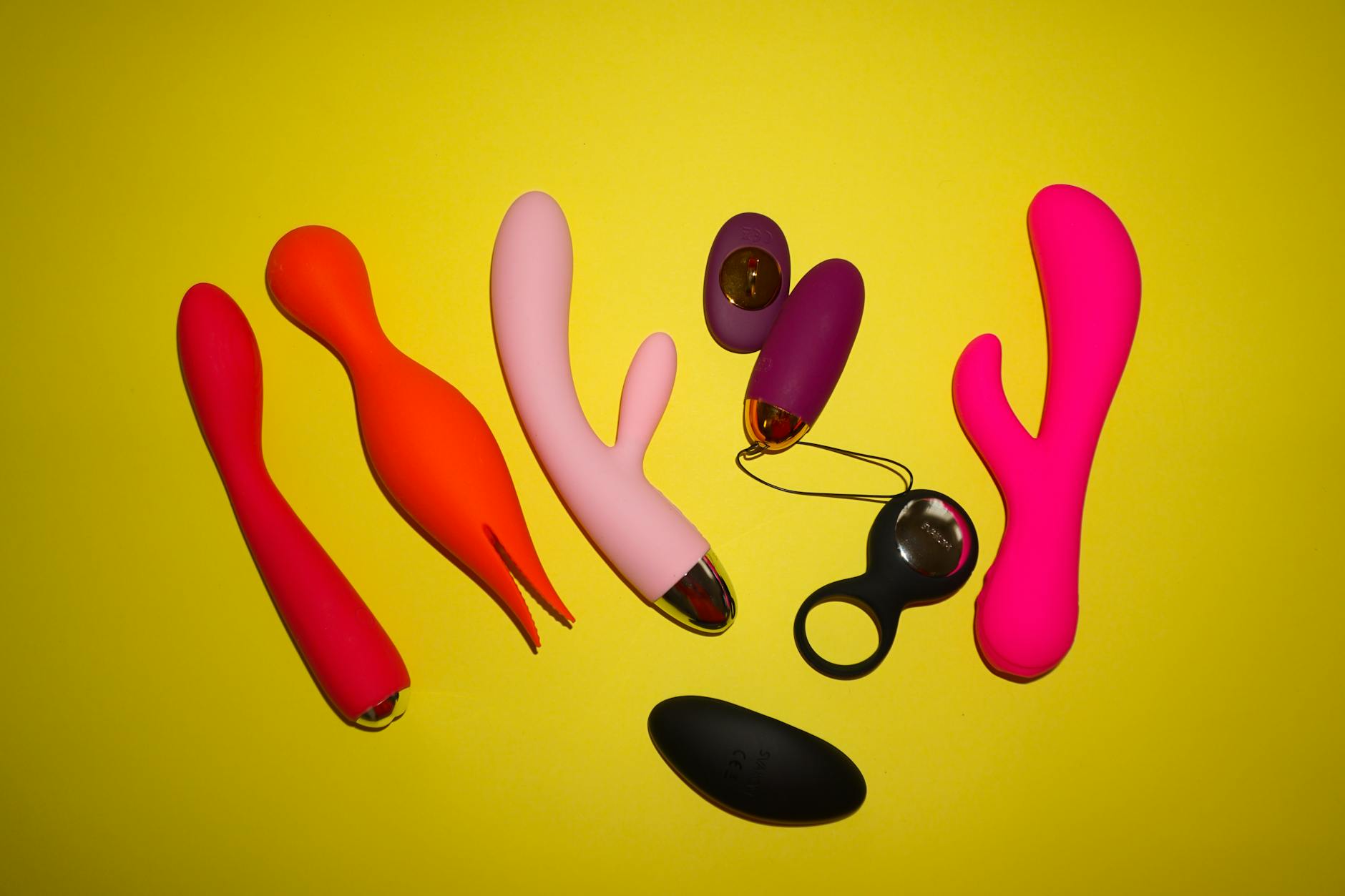
You come out of surgery or a procedure and everything feels a little muffled. Not just your mouth if it was dental work. Your whole nervous system is still processing residual medication. And yes, that includes down there. The anesthesia doesn't care about terrain—it numbs everything it touches and lingers in your system for days, sometimes weeks.
Here's the part nobody mentions: that numb feeling isn't permanent, but it's also not something you can just ignore and hope goes away. If you're someone who uses lemon vibrators or other clitoral toys for pleasure, you've probably already noticed that sensation feels totally different right now. Muffled. Distant. Like you're experiencing everything through a thick wall.
Anesthesia works by blocking nerve signals. Local anesthetics numb the immediate area where they're applied. General anesthesia sedates your entire nervous system. Either way, the effect doesn't stop at the surgical site. Your whole body is quieter. Less responsive. That's exactly what you want during a procedure—you need pain blocked so surgeons can work safely.
But after you wake up, that dampening effect sticks around. The medication clears from your bloodstream at different rates depending on the type of anesthesia, your metabolism, how long the procedure was, and your overall health. For some people it's hours. For others it's days or even a couple weeks. During this window, every nerve pathway that carries sensation is moving slower than normal.
Clitoral tissue is densely nerve-packed. More nerve endings per square inch than almost anywhere else on the body. So when everything is muffled, your clitoris feels the impact acutely. That numbness can be alarming if you weren't expecting it.
Your body hasn't changed. The Lem hasn't changed. But the pathway between them has slowed down. You might notice: the vibration feels distant instead of direct. Patterns that usually send shivers now feel more like a gentle hum. You might need to turn the intensity up just to feel something, and then it still doesn't register the way it normally does.
This is deeply normal. It's also frustrating. The instinct is often to push harder—try a stronger setting, use it for longer, expect things to feel the way they did before surgery. But that's working against your nervous system, not with it.
For most minor procedures (wisdom teeth extraction, dermatology procedures, small surgeries under local anesthesia), residual numbness fades within 24-72 hours. By day 3 or 4 you're usually back to baseline. Your clitoris starts waking up. Sensation returns gradually, not all at once.
For more extensive surgery (particularly anything involving general anesthesia or longer operating times), the timeline stretches. Some people report altered sensation for a week or two. It's not that anything is damaged—it's just that your nervous system is still recalibrating. Medication metabolites linger. Inflammation from the procedure itself can dull sensation even after anesthesia wears off.
Pelvic surgery or gynecological procedures carry a slightly different timeline because of proximity and the nerves involved. Hysterectomy, ovarian surgery, or anything requiring pelvic anesthesia can take longer for sensation to fully normalize. A few weeks isn't unusual. That's still fine. That's still recovery.
First: don't panic. Your nerve endings are still there. Your capacity for pleasure is still there. You're in a temporary state of reduced signal, not permanent loss.
Second: lower your expectations temporarily. This is when many people make the mistake of thinking something is wrong with them or their toys. Nothing is wrong. Your nervous system is just offline for a bit. It's like trying to turn up the volume on a speaker that's half-unplugged. You can turn the knob all the way up, but it won't help—you need the speaker plugged back in first.
Third: give yourself permission to not engage sexually during this window if you don't want to. That's a totally valid choice. Numbness isn't erotic for most people. Some people find it interesting to explore. Others find it frustrating and would rather wait. Both approaches are fine.
If you do want to experiment: start with lower intensity. Use your lemon vibrator on pattern 1 or 2 instead of your usual setting. Let your body tell you what feels okay. You might notice that sensation returns unevenly—the clitoris might start to wake up before surrounding tissue does. That's normal. The neural pathways are rebooting at slightly different speeds.
Anesthesia numbness is temporary and happens after a known event. You can date it. It has a clear cause. That's helpful because it means you know sensation will return. You're not waiting to see if it ever comes back—you know it will, because that's what nervous systems do once medication clears.
Compare that to numbness from nerve damage, chronic medication side effects, or conditions like diabetes, where the cause is ongoing and the prognosis is less certain. That's a different conversation and might need different strategies.
Anesthesia numbness also feels qualitatively different. It's not localized usually—it's a system-wide dampening. Everything feels muffled and slow. That texture is useful information for your own nervous system. It's saying: "I'm recovering from chemical interruption, not structural damage."
This is where lemon vibrators and other suction-based clitoral toys actually have an advantage over traditional vibrators during recovery. Here's why: air-pulse stimulation wakes up nerve endings differently than direct vibration does.
Direct vibration during numbness can feel harsh or irritating when sensation is muffled. You're essentially forcing more stimulus at a nervous system that's not ready to receive it. Suction works because it creates a gentle pulling sensation that builds stimulation gradually. It's not pushing harder—it's inviting sensation back.
The Lem on a low setting is often more comfortable during anesthesia recovery than wand vibrators or traditional bullet vibrators, simply because the technology itself is gentler by design. It meets your nervous system where it is instead of asking it to meet some external expectation.
If three weeks have passed and you still feel zero sensation in the area where numbness started, that's worth mentioning to the surgeon or your GP. Persistent numbness that doesn't improve is uncommon but possible depending on the procedure. More often, sensation returns gradually and you just don't notice the day-by-day improvement until you suddenly realize you're feeling things again.
Also mention it if numbness spreads to areas that shouldn't have been affected by the procedure, or if it's accompanied by pain, tingling, or other nerve symptoms. That's just being thorough. Most of the time it's fine. Occasionally something needs attention.
It won't feel like a switch flipping. It's more like waking up slowly from sleep. One day you notice your Lem on pattern 2 actually feels like something. Another day pattern 3 feels good again. Within a week or so you're back to baseline and wondering why you were ever worried.
Some people report that once sensation fully returns, it feels heightened for a day or two—almost like a rebound sensitivity. That's fine. It usually settles into your normal pretty quickly.
Your body knows how to do this. Your nervous system knows how to wake up. You don't have to force it or stress about it. You just have to be patient with yourself and with your toys during the recovery window.
For local anesthetics, numbness in intimate areas usually resolves within 24-48 hours. For general anesthesia, the timeline is longer—typically 3-7 days for most of the residual effects, though some people notice subtle dampening for a bit longer. Pelvic surgery extends this further, sometimes to 2-3 weeks. If numbness persists beyond that without improvement, check in with your care team.
Technically yes, but practically it's often not great. Most surgeons recommend waiting until you're cleared to resume sexual activity, which depends on the type of procedure. For minor procedures under local anesthesia, that might be fine after a day or two. For more extensive surgery, wait until your doctor says it's okay. Then give yourself a few days more if sensation still feels off. There's no prize for going first.
Yes, it can. If your whole nervous system is still moving slowly, orgasmic response slows too. Arousal takes longer to build. Orgasm itself might feel muted or hard to reach. This is temporary. It improves as anesthesia metabolites clear. You're not broken and you haven't lost your capacity for pleasure. You're just waiting for your system to fully reboot.
That's actually a good sign. "Pins and needles" sensation (paresthesia) often shows up as nerves wake up and start firing signals again. It's not always pleasant, but it usually means sensation is coming back. Like your foot waking up after it's been asleep. Annoying in the moment, totally normal.
No. Your nervous system will reboot on its own timeline. You can't rush it. Aggressive stimulation during recovery might actually feel bad or set back your comfort. Better to rest, wait for natural sensation to return, and then ease back into your usual routine.
Completely normal. Surgery can shake your relationship with your body, even minor surgery. Add in physical numbness and it's easy to spiral into worry about whether sensation will ever come back completely. It will. Your body is designed to recover. Give yourself permission to feel uncertain during the process, and give yourself grace as sensation gradually normalizes.
Anesthesia numbs you temporarily. That's the whole point. And then your nervous system wakes up, gradually, and sensation returns. Your lemon vibrator will feel right again. Your capacity for pleasure is intact. You're just in a window where everything is moving in slow motion.
If you're struggling with numbness after surgery or a procedure, consider reaching out to your doctor or a sexual health specialist. And if you want to talk through how to navigate intimacy during recovery—whether solo or with a partner—that's what we're here for. Get in touch anytime.