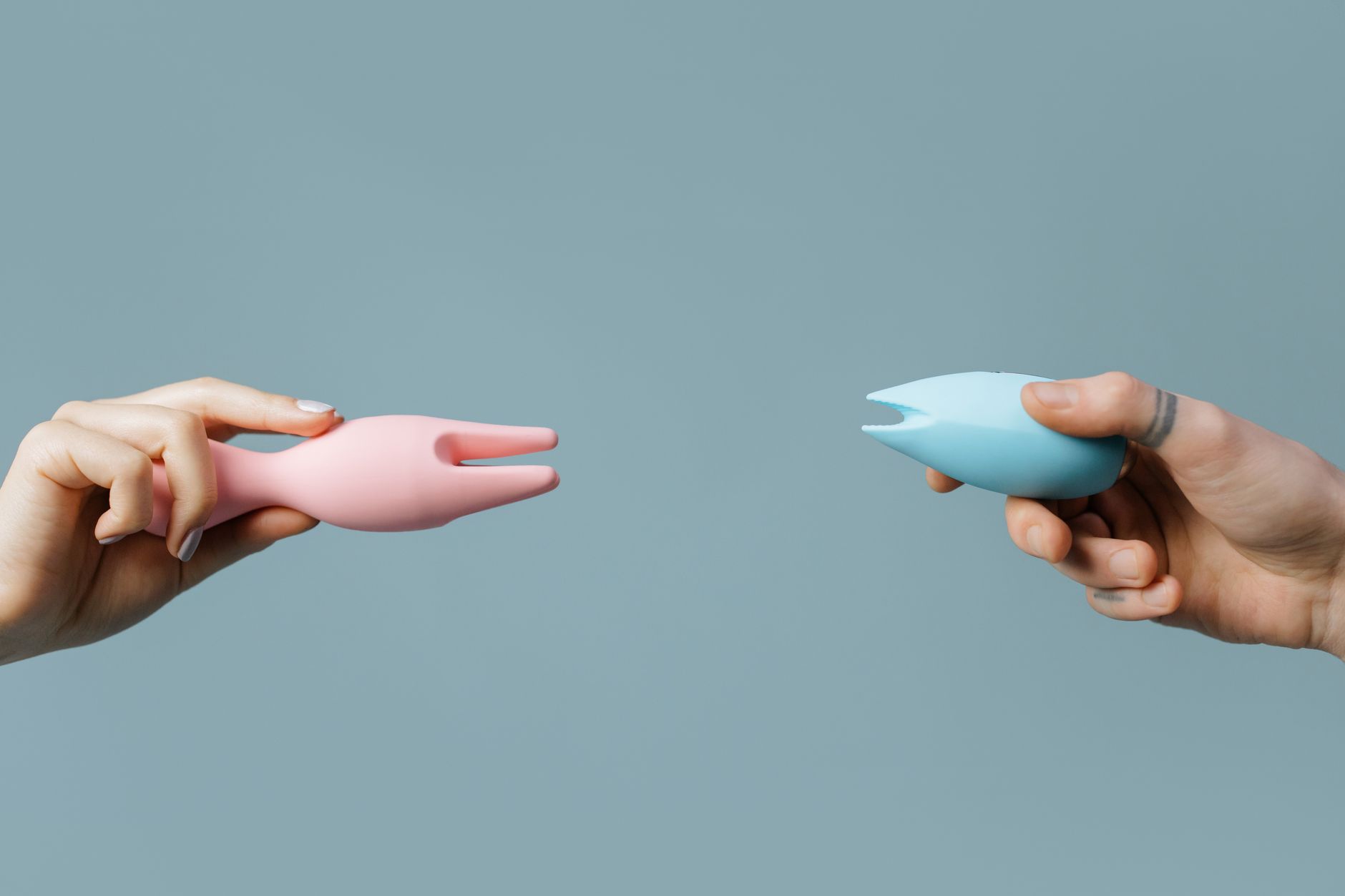
How Lemon Vibrators Improve Sensation When Estrogen Affects Pleasure
Honestly, the conversation around hormonal shifts and pleasure usually lands in one of two ditches: either everything's broken and you need to accept that, or nothing's changed and you're overthinking it. Both miss what's actually happening.
Estrogen doesn't kill sensation. It changes how sensation travels through tissue. And once you understand that difference, you can work with your body instead of against it. That's where lemon vibrators and suction-based clitoral toys come in.
What estrogen actually does to pleasure
When estrogen drops, the tissue in and around the clitoris thins slightly. This isn't damage. It's a shift in thickness and vascularity—blood flow to the area changes. The clitoral glans (the visible tip) becomes more sensitive to direct pressure, while the surrounding tissue becomes less cushioned.
Here's the part that matters: traditional vibrators send vibrations through tissue. They work great when tissue is thick and absorbent. But when tissue thins, you feel vibration more intensely—sometimes in a sharp way that's unpleasant rather than pleasurable. It's like the difference between pressing a button through a thick cushion and pressing it through thin fabric. Same pressure, totally different sensation.
This is why a lot of people think they've lost sensation after hormonal shifts. They haven't. The sensation pathway has just changed.
Why suction works differently
Lemon vibrators and other clitoral suction toys operate on a fundamentally different principle than standard vibrators. Instead of vibration traveling through tissue, suction creates a gentle pulse and light that draws the clitoris toward the opening of the toy. This engages nerve clusters differently.
Think of it this way: a vibrator is hammering a nail. Suction is gently pulling tissue toward stimulation without the repetitive impact. For people experiencing changes in clitoral sensitivity due to estrogen shifts, this distinction is huge. You're not fighting thinning tissue with aggressive vibration. You're using the body's natural nerve response to suction.
The lem vibrator, like other lemon clitoral vibrators in this category, uses gentle pulsation combined with that suction mechanism. What you get is stimulation that doesn't rely on vibration intensity to feel good. It relies on sensation pattern and nerve engagement.
The tissue thickness factor
When estrogen drops, collagen in the vulval tissue decreases. This doesn't happen overnight during menopause—it happens gradually across years of hormonal shifts. The clitoral hood (the fold of skin covering the clitoris) can become less elastic, sometimes making direct contact feel less pleasant.
This is actually why a lot of people report that lemon vibrators and suction toys feel more comfortable than what worked for them before. With a vibrator, you might need to find a specific angle or pressure to avoid overstimulation. With suction, the mechanism does some of that work for you. The toy creates a chamber that draws the clitoris gently inside, protecting it from the kind of direct friction that can feel intense on thinner tissue.
I see this repeatedly in relationships where someone says, "I used to love vibrators, but now they just feel wrong." It's not that pleasure has vanished. The interface between your body and the toy has changed, and you need a different tool.
Blood flow and arousal time
Estrogen also affects how quickly blood flows to the clitoral area when you're aroused. Higher estrogen means faster engorgement. Lower estrogen means the warm-up takes longer. This isn't a problem—it's just physics.
Where lemon vibrators shine is that suction doesn't require the same speed of tissue response as vibration does. A vibrator kind of demands that your clitoris fill with blood and get firm quickly. Suction creates stimulation even on partially engorged tissue. You can start with suction at lower intensity, let your body wake up, and build from there. No rushing. No pressure to perform on a timeline that doesn't match your actual physiology.
I recommend starting with the lowest suction setting and staying there for at least five to ten minutes, even if you think you want more intensity. Let blood flow in gradually. Let nerve response build. You'll likely find that what felt subtle at minute two feels rich at minute eight.
Nerve density hasn't changed
Here's what doesn't shift with estrogen: the number of nerves in your clitoris. The clitoris has eight thousand nerve endings. You still have all eight thousand. That density doesn't change with hormones.
What changes is how easily those nerves fire. And suction triggers them through a different pathway than vibration does. When you use a lemon clitoral vibrator, you're not trying to force an old sensation pattern through new tissue. You're using a tool that works with thinned tissue to create a sensation pattern that still has access to all those nerve endings.
This is why so many people report their most intense orgasms happen after significant hormonal shifts. Not despite the changes. Because once you find a method that actually works with your body's current chemistry, you're no longer fighting yourself.
Combining lemon vibrators with patience
The biggest mistake I see is assuming that needing longer warm-up time or different intensity means something's wrong. It doesn't. It means you need a different rhythm.
When you're working with estrogen changes and using a lemon vibrator or other suction toy, budget fifteen to twenty minutes for solo exploration. Start low. Use lube even if you don't think you need it—water-based lubricant helps suction work more smoothly and reduces any sensation of pulling. Build gradually.
Most importantly, don't compare this experience to sex with a partner or to what you felt five years ago. You're building a new baseline. That baseline often ends up being more reliable and more intense than what came before, once you stop treating it as a downgrade.
The role of consistent communication with partners
If you have a partner, the estrogen conversation isn't a sex conversation. It's a logistics conversation. "My body responds better to suction toys now" is not the same as "I'm not attracted to you anymore." Separating those two facts makes everything simpler.
Many partners feel genuinely relieved to learn that there's a physical reason the dynamic has shifted and that there's a tool—like a lemon vibrator—that actually works better now. It stops feeling like rejection. It becomes a tech upgrade. Which it is.
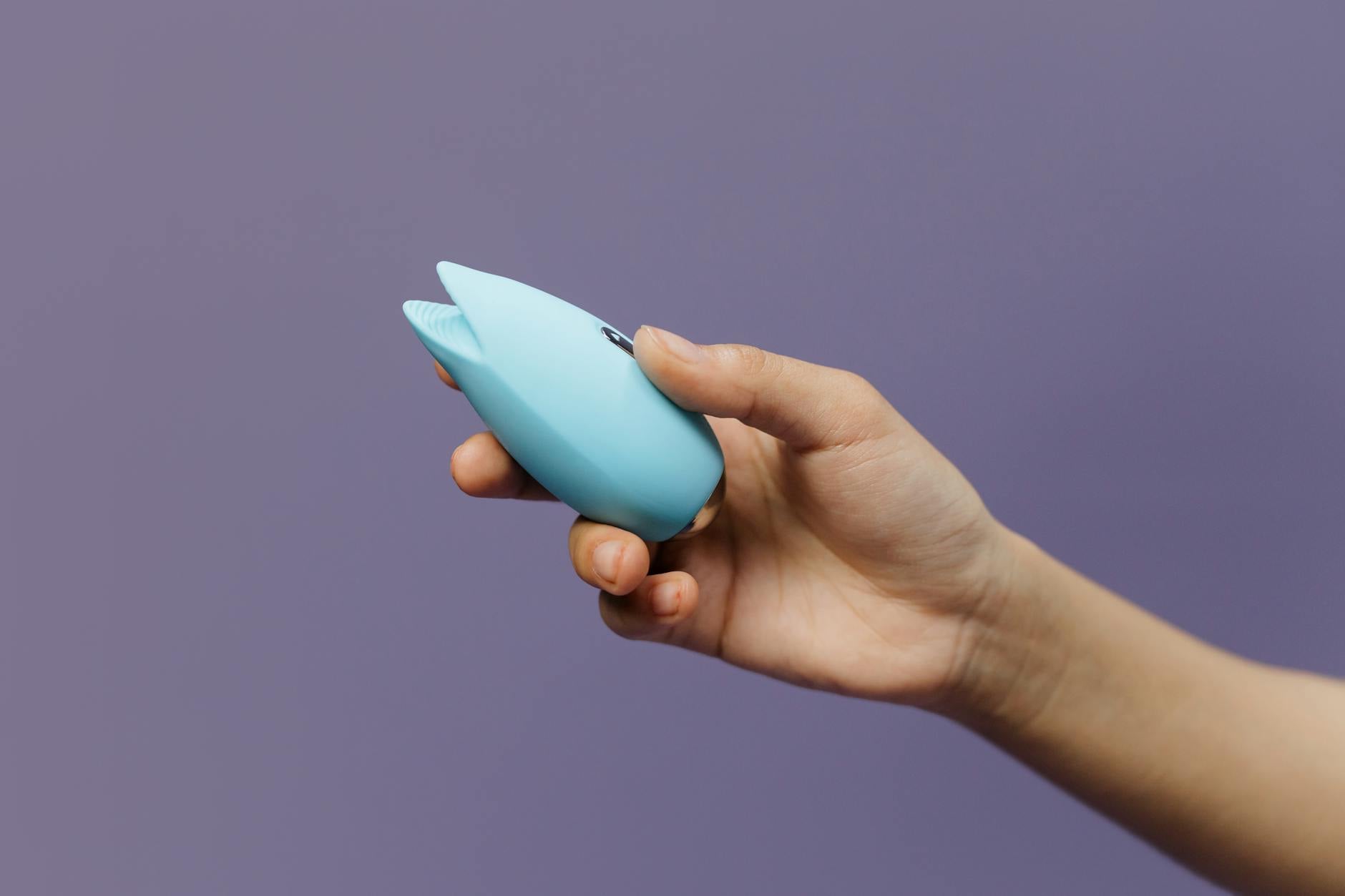
Photo by cottonbro studio on Pexels
If there's been a long gap in your sex life or if you're returning to pleasure after a period of numbness, lemon vibrators often feel less intimidating than partner-based sex. The tool is in your control. The intensity is in your control. The pace is in your control. You can explore sensation on your own timeline without worrying about performance or reciprocation. Once you've rebuilt confidence with your body solo, partnered sex often improves naturally.
This is also why I often recommend starting with a lemon clitoral vibrator if you've experienced trauma or if pleasure has felt triggering. Suction toys create a very different sensory experience than traditional vibration. For some people, that difference is enough to break an association with past harm.
When to see a specialist
If you're experiencing pain rather than just sensation changes, that's a conversation for a doctor. Genitourinary syndrome of menopause is real and treatable. So is pelvic floor tension that can make any stimulation uncomfortable.
But if sensation is just different—muted, slower to build, requiring different pressure—that's not a medical problem. That's an adaptation. And lemon vibrators and suction toys are often exactly the right tool for navigating that adaptation.
The bottom line
Estrogen changes how your body responds. It doesn't end your capacity for pleasure. Once you accept that and find tools that work with your actual physiology—like clitoral suction toys such as lemon vibrators—pleasure often becomes more reliable, not less.
Start with curiosity instead of expectation. Give your body time. Use lubrication. Build slowly. And notice what actually feels good now, rather than mourning what felt good before. That shift in perspective changes everything.
People also ask
Do lemon vibrators work better than regular vibrators for sensitivity issues?
They work differently, not necessarily better. Regular vibrators send vibration through tissue, which can feel sharp on thinner or more sensitive tissue. Lemon clitoral vibrators use suction and gentle pulsing, which engage sensation through a different pathway. For people experiencing estrogen-related changes, suction often feels more comfortable and creates more reliable sensation. But "better" is personal. What matters is finding what works for your body now.
How long does it take to feel sensation with a lemon vibrator?
That depends on your warm-up time and arousal baseline. I usually recommend fifteen to twenty minutes of exploration, especially if you're new to suction toys. Start with low suction intensity and let your body respond gradually. Don't rush to higher settings. Most people find that what felt subtle at five minutes feels much more interesting at fifteen minutes. Your nervous system needs time to recognize the stimulus.
Can estrogen fluctuations make clitoral vibrators hurt?
Yes. When tissue is thinner and less cushioned, direct vibration can feel sharp or overstimulating rather than pleasurable. This is why a lot of people find that the lemon vibrator or other suction-based toys feel more comfortable than their previous go-to tool. Suction doesn't rely on tissue thickness to feel good. It works with thinner tissue more intuitively. If vibration hurts, try a different tool rather than assuming you've lost sensation.
Is using a lemon clitoral vibrator more effective during certain parts of my cycle?
Yes, typically. If you still menstruate, you'll likely notice that sensation and arousal ease increase in the days after your period ends (when estrogen is rising) and peak around ovulation. During the luteal phase (after ovulation), you might need more warm-up time and gentler intensity. Track what you notice over two or three cycles. You might find that a lemon vibrator works brilliantly mid-cycle and still works fine but needs longer warm-up in other phases. That's normal.
What if I'm on hormone therapy but still feel sensation changes?
Hormone therapy helps, but it doesn't instantly restore your exact pre-shift baseline. Changes in tissue thickness and arousal pattern often lag behind hormone replacement by several weeks. Keep using lemon vibrators and suction toys during the adjustment period. Your body is still adapting. Also, the intensity or formulation of your therapy might need tweaking—that's a conversation with your prescriber. But in the meantime, tools that work with your current physiology (like a lem vibrator) help you stay connected to pleasure while your body stabilizes.
Is it normal to need a longer warm-up time with clitoral vibrators after hormonal shifts?
Completely normal. Estrogen affects how quickly blood flows to your clitoris. Lower estrogen means engorgement takes longer. This isn't a problem. It's just your new timeline. Plan for fifteen to twenty minutes instead of five. Use that time to explore sensation at lower intensities. Many people find that this slower pace actually creates more reliable and intense orgasms than rushed sessions ever did. It's an adjustment, not a loss.
Related reading
If you're navigating estrogen changes and pleasure, these posts go deeper into specific situations:
- How to Use a Lemon Vibrator When Desire Returns After a Long Absence explores rekindling pleasure after extended gaps.
- How to Use Lemon Vibrators During Hormonal Shifts When Sensation Feels Unpredictable addresses day-to-day variation in response.
- How to Find the Right Lemon Vibrator If You've Never Tried Clitoral Suction Before walks through choosing your first suction toy.
For deeper partner conversations, How Lemon Clitoral Vibrators Work Better With Partners Who Prefer Traditional Toys helps explain the shift to someone who might be confused by the change.
Have questions about how lemon vibrators or clitoral suction toys work for your specific situation? Reach out to us at /contact. We're here to help you find what actually works.